Introduction
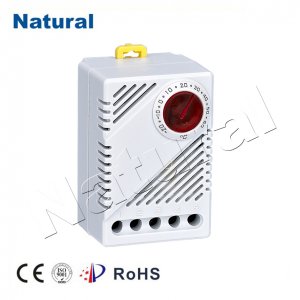
In modern society, the pursuit of comfort and efficiency has led to significant advancements in technology, particularly in the field of environmental control systems. Among these innovations, the humidity controller thermostat stands as a crucial component that plays a pivotal role in maintaining optimal indoor conditions. This article explores the functions, benefits, and applications of humidity controller thermostats, shedding light on their significance in enhancing our daily lives. Understanding Humidity Control Humidity, the amount of moisture present in the air, is a fundamental factor that influences both human comfort and the integrity of various materials. High humidity levels can lead to discomfort, mold growth, and deterioration of objects, while low humidity can cause skin dryness, respiratory issues, and structural damage. A humidity controller thermostat is a specialized device designed to regulate and maintain an ideal humidity level within an enclosed space, ensuring the well-being of occupants and preserving the quality of possessions. Functions and Operation A humidity controller thermostat operates by monitoring the relative humidity (RH) of the environment and activating the heating, cooling, humidifying, or dehumidifying systems accordingly. When the RH deviates from the set target, the humidity controller thermostat signals the climate control systems to take appropriate actions. For instance, if the humidity exceeds the desired level, the thermostat triggers a dehumidifier to remove excess moisture. Conversely, if the humidity is too low, a humidifier is activated to introduce moisture into the air. Benefits and Applications Health and Comfort: Maintaining optimal humidity levels enhances indoor air quality and promotes better health. Balanced humidity levels can alleviate respiratory issues, reduce allergies, and prevent skin dryness, creating a comfortable living environment for occupants. Preservation of Assets: Humidity control is essential for safeguarding valuable possessions such as artwork, books, musical instruments, and electronic equipment. Excess moisture can cause irreversible damage, making humidity controller thermostats indispensable for museums, libraries, archives, and even personal collections. Energy Efficiency: Humidity controller thermostats contribute to energy conservation by preventing unnecessary operation of climate control systems. These devices ensure that heating and cooling systems are only activated when required, reducing energy consumption and utility costs. Industrial Applications: Industries such as pharmaceuticals, food processing, and manufacturing rely on humidity control to maintain product quality and integrity. Humidity controller thermostats play a critical role in these sectors by creating optimal conditions for production and storage. Greenhouses and Agriculture: In agricultural settings, humidity control is crucial for plant growth and disease prevention. Humidity controller thermostats help maintain the right moisture levels for crops, optimizing yield and quality. Conclusion The humidity controller thermostat, a marvel of modern engineering, has revolutionized the way we regulate indoor environments. By intelligently managing humidity levels, these devices enhance our health, preserve valuable possessions, conserve energy, and bolster industrial processes. As technology continues to evolve, humidity controller thermostats will likely play an increasingly important role in creating comfortable, efficient, and sustainable living and working spaces.