Automatic relays are crucial components in electrical systems, serving as intermediaries that control the flow of electricity in response to varying signals. These devices, often unnoticed but indispensable, are integral to the smooth functioning of many applications, ranging from industrial machinery to home appliances. This article will explore the working principles, types, and applications of automatic relays, highlighting their importance in ensuring safety and efficiency in electrical circuits.
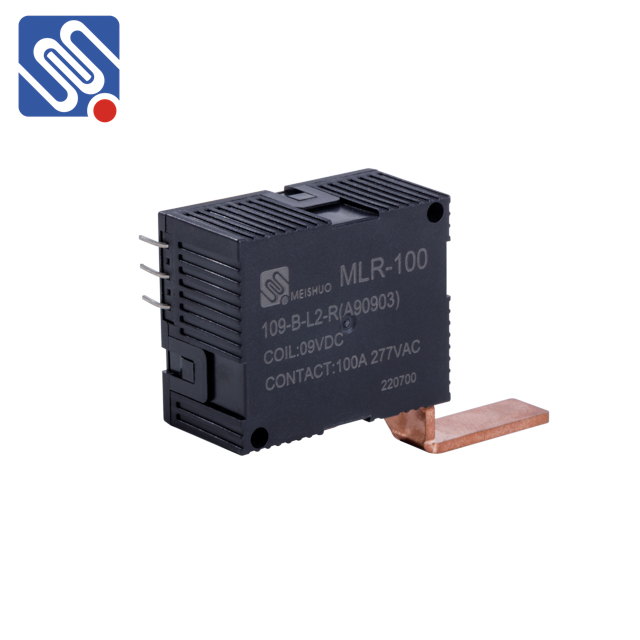
Understanding the Basics of an Automatic Relay An automatic relay is an electromechanical switch that automatically opens or closes electrical contacts in response to an electrical signal, usually in the form of voltage or current changes. The main components of an automatic relay include the relay coil, contacts, and the spring mechanism. When a voltage or current is applied to the coil, it generates a magnetic field that moves the contacts, thus controlling the flow of electricity in a circuit. This operation allows relays to perform a wide range of tasks, from simple switching operations to more complex functions such as overload protection, time delays, and fault detection. The primary advantage of using an automatic relay lies in its ability to perform tasks autonomously, without requiring manual intervention.