Introduction
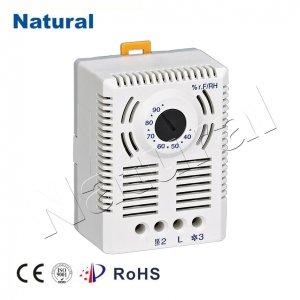
Fan thermostats play a crucial role in temperature regulation, providing efficient and automated control over heating and cooling systems. These devices are integral components in a wide range of applications, from home HVAC systems to industrial processes. In this article, we will delve into the concept, working principle, and benefits of fan thermostats. Understanding Fan Thermostats A fan thermostat is an electro-mechanical device that senses temperature changes and activates or deactivates a fan based on preset temperature thresholds. It works by utilizing a bimetallic strip, which consists of two different metals bonded together. When exposed to temperature fluctuations, these metals expand or contract at different rates, causing the strip to bend. This bending movement is then translated into mechanical action, which triggers the fan to turn on or off accordingly. Working Principle The core working principle of a fan thermostat involves maintaining a desired temperature range. For instance, in a home HVAC system, the thermostat is set to a specific temperature. If the ambient temperature rises above the set value, the bimetallic strip bends, completing an electrical circuit and activating the fan. As the fan circulates air, the excess heat is carried away, gradually lowering the temperature. Once the temperature drops below the set value, the bimetallic strip straightens out, breaking the circuit and turning off the fan. Benefits of Fan Thermostats Energy Efficiency: Fan thermostats contribute to energy conservation by operating only when necessary. They prevent constant operation of fans, reducing electricity consumption and utility bills. Temperature Control: These devices offer precise temperature control, ensuring that the environment remains comfortable and within the desired range. Equipment Protection: In industrial settings, fan thermostats prevent equipment overheating, extending their lifespan and reducing maintenance costs. Automated Operation: Fan thermostats eliminate the need for manual intervention. Once configured, they function autonomously, adjusting fan operation based on temperature changes. Cost Savings: The energy-saving capabilities of fan thermostats can lead to substantial long-term cost savings, making them a valuable investment. Applications HVAC Systems: Fan thermostats are commonly used in heating, ventilation, and air conditioning (HVAC) systems in homes, offices, and commercial buildings. Appliances: Many household appliances, such as refrigerators and ovens, incorporate fan thermostats to regulate internal temperatures. Industrial Processes: Industries rely on fan thermostats to maintain optimal operating conditions for machinery, preventing overheating and ensuring efficiency. Greenhouses: These devices are essential in greenhouse operations, controlling temperatures to create an ideal environment for plant growth. Conclusion Fan thermostats exemplify the fusion of mechanical and electrical engineering principles, providing effective temperature regulation across various applications. Their ability to maintain desired temperature ranges, enhance energy efficiency, and automate operations makes them indispensable components in modern systems. As technology continues to advance, fan thermostats are likely to evolve further, contributing to a more sustainable and controlled world.