PP Solenoid Valves (Polypropylene Solenoid Valves) are vital components in various industrial processes, where fluid control is essential. These valves are primarily used to control the flow of fluids or gases in a pipeline, providing accurate and efficient management of fluid systems. With their excellent chemical resistance, high durability, and relatively low cost, PP solenoid valves have become indispensable in industries ranging from chemical manufacturing to water treatment. This article delves into the function, benefits, and applications of PP solenoid valves, highlighting their growing importance in modern industrial systems.
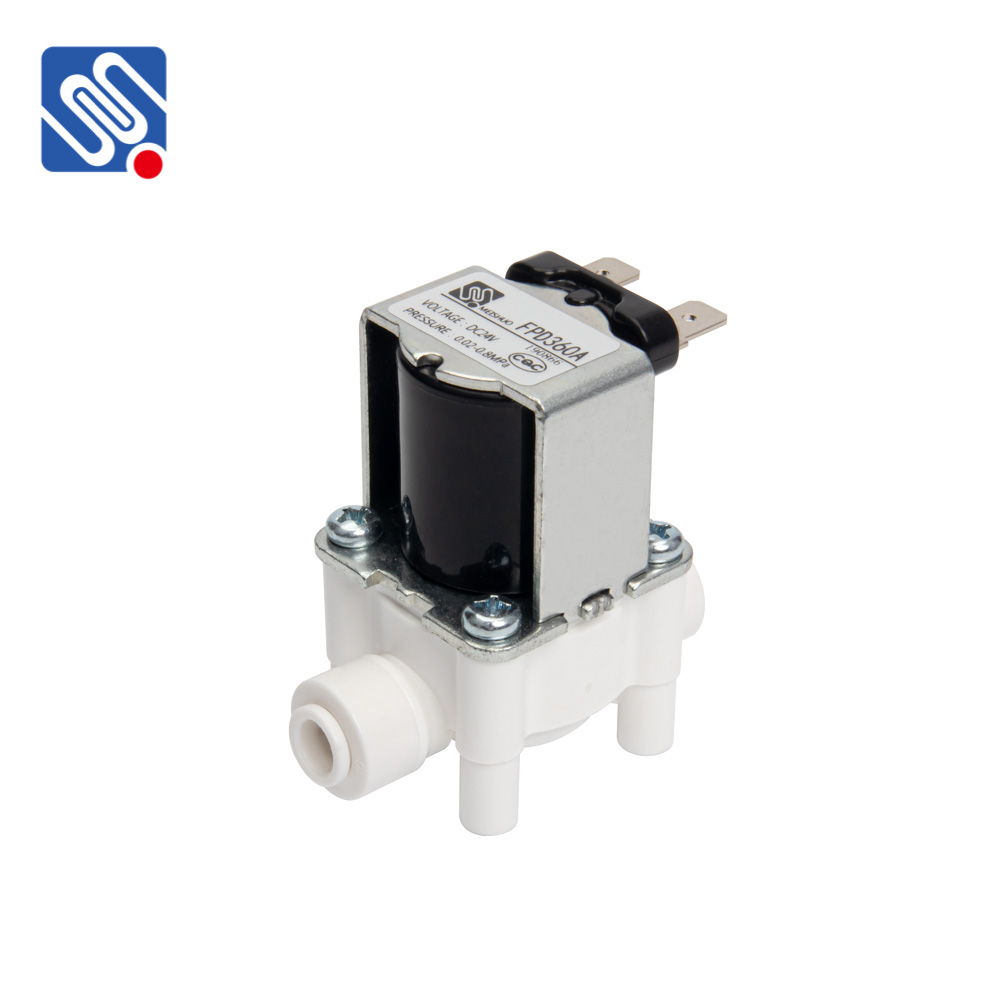
What is a PP Solenoid Valve? A PP solenoid valve is a type of electrically controlled valve made from polypropylene (PP), a plastic material known for its robust chemical resistance and thermal stability. These valves operate using a solenoid mechanism, which is an electromagnetic coil that, when energized, opens or closes the valve. When the current passes through the coil, it generates a magnetic field that activates a plunger or piston, controlling the opening and closing of the valve. The PP solenoid valve’s construction allows it to handle a wide range of corrosive fluids, such as acids, alkalis, and solvents, which would typically damage valves made from metals or other materials. Polypropylene, being highly resistant to a variety of chemicals, ensures the longevity and reliability of the valve, even in aggressive environments.