Relay signals are fundamental components in many electrical and electronic systems, playing a vital role in controlling, switching, and isolating circuits. A relay is an electrically operated switch that allows a small current to control a larger current, providing control and protection in various applications. In this article, we will explore the significance of relay signals, how they work, and their wide-ranging applications in industries such as automation, automotive, power systems, and communication.
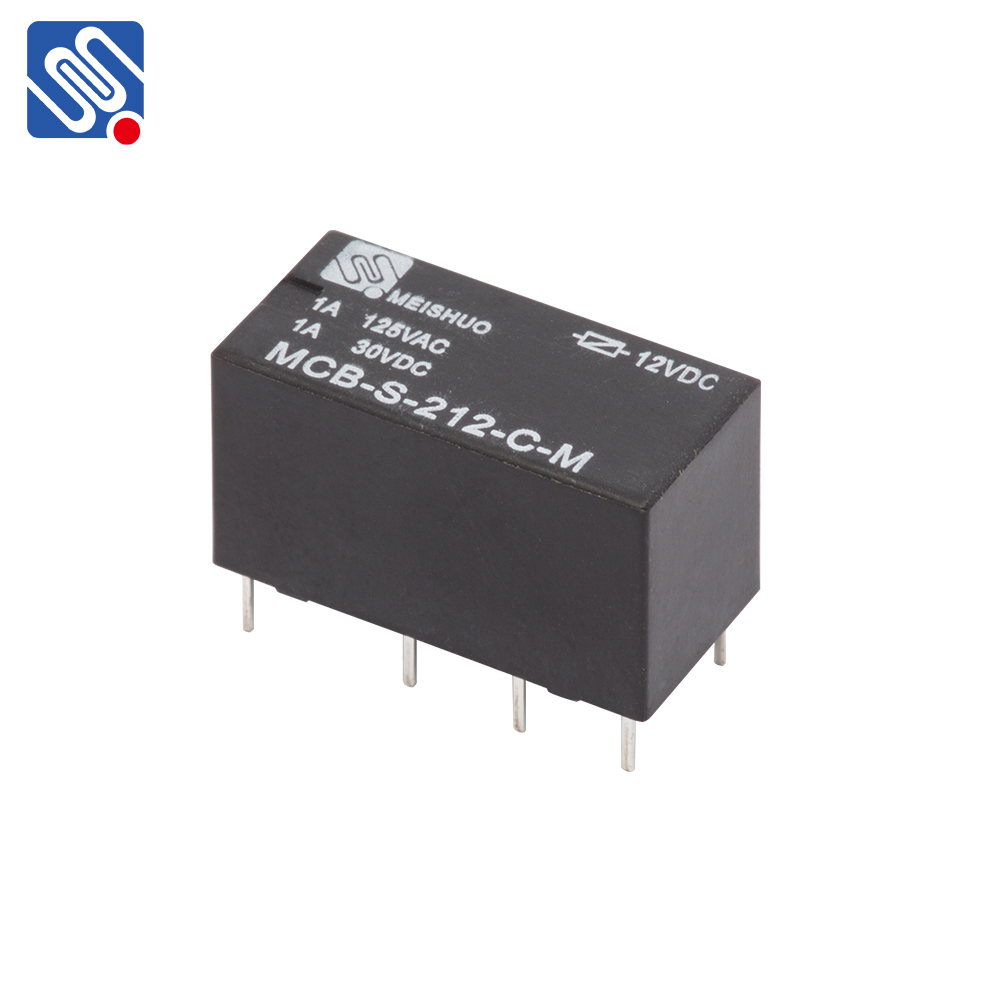
Understanding Relay Signals At the heart of a relay is an electromagnet, which, when energized, moves a switch or a set of contacts, either closing or opening the circuit. Relays come in different configurations, including single-pole single-throw (SPST), single-pole double-throw (SPDT), and multi-contact designs. These contact configurations allow for multiple switching actions to be carried out by a single relay. The relay can control a high-power circuit using a low-power signal, making it ideal for automation and protection systems. The signals that control these relays are typically low-voltage, low-current signals, but they can trigger the switching of circuits carrying much higher voltages and currents, ensuring safe operation for sensitive components.