In the realm of modern living, where comfort and efficiency hold paramount importance, thermostat controllers have emerged as indispensable tools. These intelligent devices play a pivotal role in maintaining optimal temperatures within our homes, offices, and various other spaces. In this article, we will delve into the significance of thermostat controllers, their evolution, and the ways in which they are shaping our daily lives.
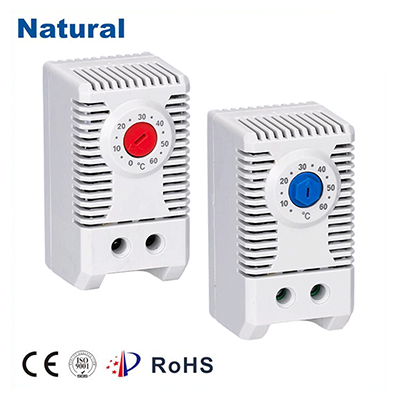
The Evolution of Thermostat Controllers The journey of thermostat controllers began with simple mechanical devices that allowed users to manually adjust the temperature settings. Over time, technological advancements paved the way for programmable thermostats. These early iterations enabled users to set temperature schedules, allowing for energy savings by adjusting the temperature according to occupancy patterns. However, the true revolution arrived with the advent of smart thermostat controllers. These cutting-edge devices are equipped with Wi-Fi connectivity, machine learning algorithms, and sophisticated sensors that offer a seamless blend of comfort, convenience, and energy efficiency. Smart thermostats learn from user preferences, adapt to weather changes, and can even be controlled remotely through smartphone apps. The Significance of Thermostat Controllers Thermostat controllers have transformed the way we experience our living spaces. They provide several key benefits that enhance our comfort and contribute to energy conservation: Energy Efficiency: One of the primary advantages of modern thermostat controllers is their ability to optimize energy usage. They can learn the thermal characteristics of a building and make real-time adjustments to minimize energy waste while maintaining comfort levels. Cost Savings: The energy efficiency achieved through precise temperature control leads to substantial cost savings on utility bills. By avoiding unnecessary heating or cooling, users can significantly reduce their expenses over time. Customized Comfort: Advanced thermostat controllers allow users to create personalized temperature profiles. Whether it’s warming up the house before waking up or cooling it down before arriving home, these devices ensure that the environment is always as desired. Remote Access: Smart thermostats take convenience a step further by enabling remote access through smartphones or other connected devices. This feature is especially beneficial for frequent travelers who can ensure their homes are at a comfortable temperature upon their return. Environmental Impact: The reduced energy consumption facilitated by thermostat controllers has a positive impact on the environment by lowering carbon emissions and minimizing the overall ecological footprint. Innovations Shaping the Future As technology continues to evolve, so do thermostat controllers. The future holds even more exciting possibilities: Integration with Smart Homes: Thermostat controllers are becoming integral components of smart home ecosystems. They can communicate with other smart devices like lights, blinds, and appliances to create a seamless, automated living experience. Artificial Intelligence and Machine Learning: The integration of AI and machine learning enables thermostat controllers to make increasingly accurate predictions about user preferences and environmental conditions, leading to even more efficient energy management. Health and Wellness Considerations: Future thermostat controllers may incorporate sensors that monitor indoor air quality, humidity levels, and other factors that impact occupants’ health and comfort. Renewable Energy Integration: As renewable energy sources become more prevalent, thermostat controllers can adapt to fluctuations in energy availability, optimizing heating and cooling patterns accordingly. In conclusion, thermostat controllers have evolved from simple temperature adjusters to sophisticated, energy-efficient tools that are shaping the way we experience our indoor environments. Their journey from mechanical to smart devices underscores their vital role in modern living. As technology advances, these controllers are poised to become even more intelligent, seamlessly integrating with our lives while promoting sustainability, comfort, and cost savings.