Hydrogen energy is quickly gaining recognition as a sustainable solution in the transition to a greener future. In this context, the Hydrogen Energy Electric Actuator is emerging as a promising technology that could reshape industrial automation, offering both energy efficiency and environmental benefits. These actuators, powered by hydrogen energy, promise to offer a cleaner alternative to conventional electric and hydraulic actuators, which are often dependent on fossil fuels or conventional electricity sources. This article delves into the working principles, advantages, and challenges of hydrogen energy electric actuators and explores their potential in various industrial applications.
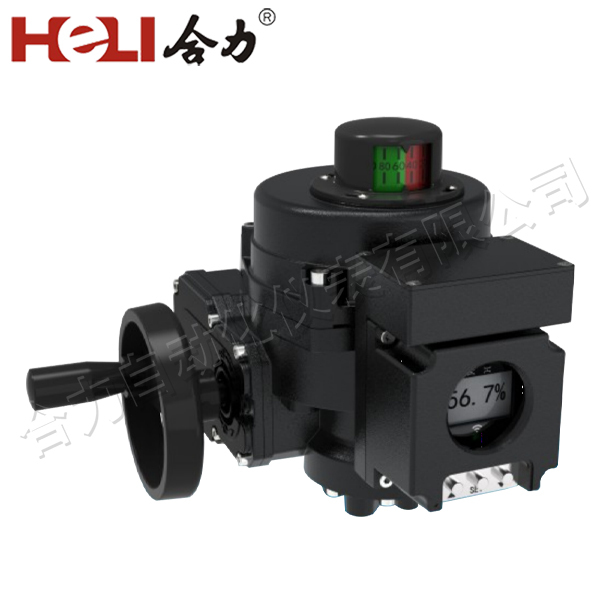
The Working Principle of Hydrogen Energy Electric Actuators
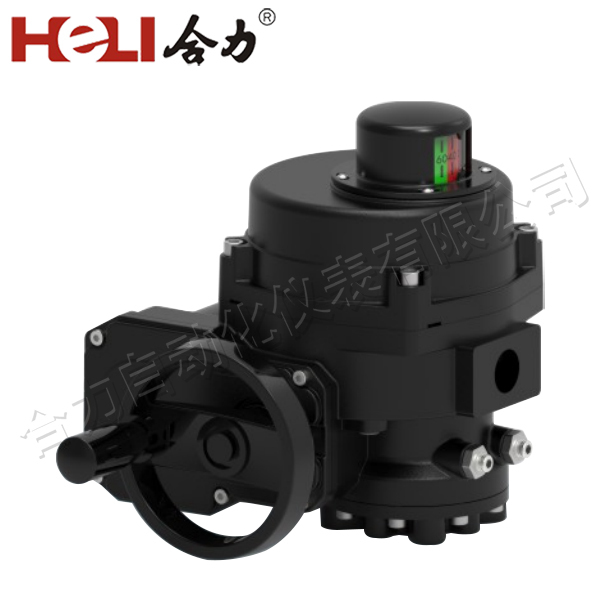
At the core of a hydrogen energy electric actuator is its reliance on hydrogen gas as an energy source. Unlike traditional electric actuators, which are powered directly by electricity from the grid, hydrogen energy actuators use hydrogen fuel cells to generate electricity. Hydrogen is stored in high-pressure tanks, and when required, it is supplied to the fuel cell where it reacts with oxygen to produce electricity, water, and heat. This electricity then powers the actuator’s electric motor, allowing it to perform mechanical tasks such as opening or closing valves, lifting heavy objects, or adjusting machinery.
Leave a Reply