Introduction
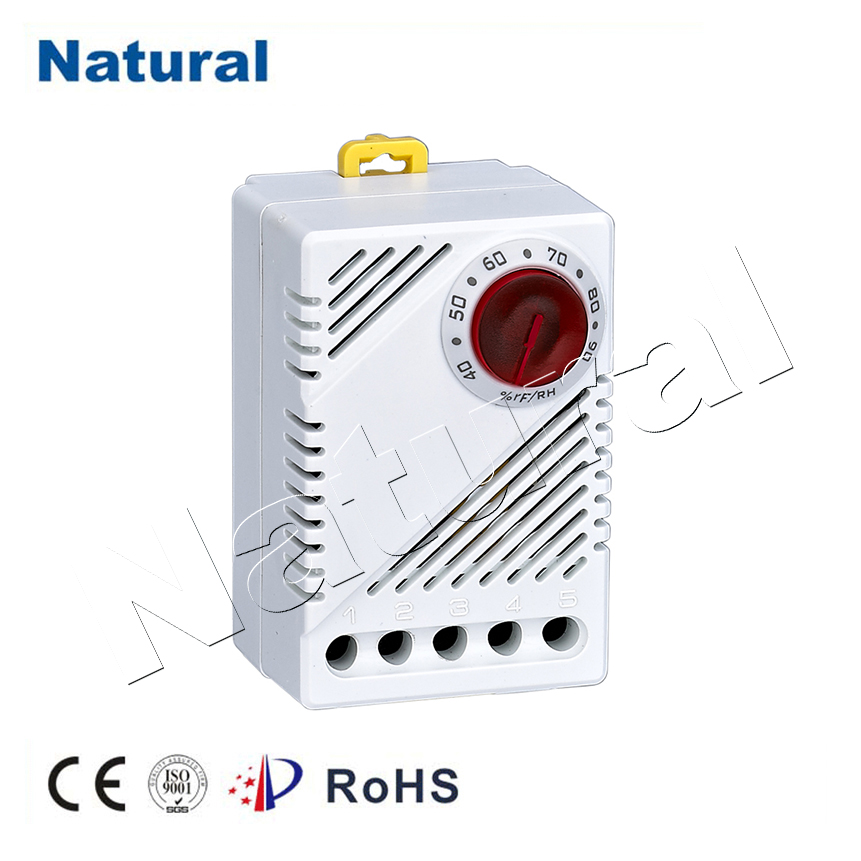
Temperature control is an essential aspect of numerous industrial and everyday processes, ensuring optimal performance and safety. Among the various temperature control mechanisms, the mechanical temperature controller stands as a classic and reliable solution. In this article, we will delve into the workings of mechanical temperature controllers, exploring their principles, applications, and advantages. Principles of Operation Mechanical temperature controllers are designed to regulate temperature by utilizing the expansion and contraction properties of materials in response to temperature changes. One common example involves the use of bimetallic strips, which consist of two different metals bonded together. These strips are engineered to react differently to temperature fluctuations. As the temperature rises, the metals expand at different rates, causing the strip to bend. This bending action is harnessed to activate or deactivate a switch, thereby controlling the heating or cooling process. Components and Functionality A typical mechanical temperature controller consists of several key components, each playing a vital role in the overall functionality: Sensing Element: The bimetallic strip or another temperature-sensitive material serves as the sensing element. It is strategically positioned in the environment whose temperature needs to be controlled. Actuating Mechanism: The bending or movement of the sensing element triggers the actuating mechanism. This can include levers, cams, and gears that amplify the motion and engage the switching process. Switch: The switch, often a mechanical one, is responsible for opening or closing the circuit to control the heating or cooling device. Once the desired temperature is reached, the switch reverses its state, thus maintaining the temperature within a specific range. Applications Mechanical temperature controllers find applications in various industries and sectors: Household Appliances: Devices like ovens, toasters, and refrigerators utilize mechanical temperature controllers to ensure that the internal temperature remains stable, providing optimal performance and safety. Industrial Processes: Many manufacturing processes require precise temperature control. Mechanical temperature controllers are employed in equipment like industrial furnaces, plastic molding machines, and heat exchangers. HVAC Systems: Heating, ventilation, and air conditioning systems often incorporate mechanical temperature controllers to regulate indoor temperatures efficiently. Advantages Despite the advancement of digital and electronic temperature control systems, mechanical temperature controllers continue to offer distinct advantages: Reliability: Mechanical systems are less susceptible to electronic failures, making them reliable in demanding environments. Simplicity: The straightforward design of mechanical temperature controllers translates to ease of use, installation, and maintenance. Cost-Effectiveness: Mechanical controllers tend to be more affordable compared to complex electronic alternatives, making them an attractive option for cost-conscious applications. Conclusion In the world of temperature control, mechanical temperature controllers stand as a testament to the power of simplicity and reliability. Their ingenious use of physical properties to regulate temperature has found applications across industries, making them a timeless solution. As technology advances, these controllers might evolve, but their fundamental principles and advantages will likely continue to make them relevant for years to come.