In the world of modern technology, where every aspect of our lives is being transformed, the thermostat switch stands as a shining example of innovation that blends comfort and energy efficiency seamlessly. This unassuming device, often overlooked, plays a pivotal role in regulating the temperature of our living spaces while contributing to a more sustainable future.
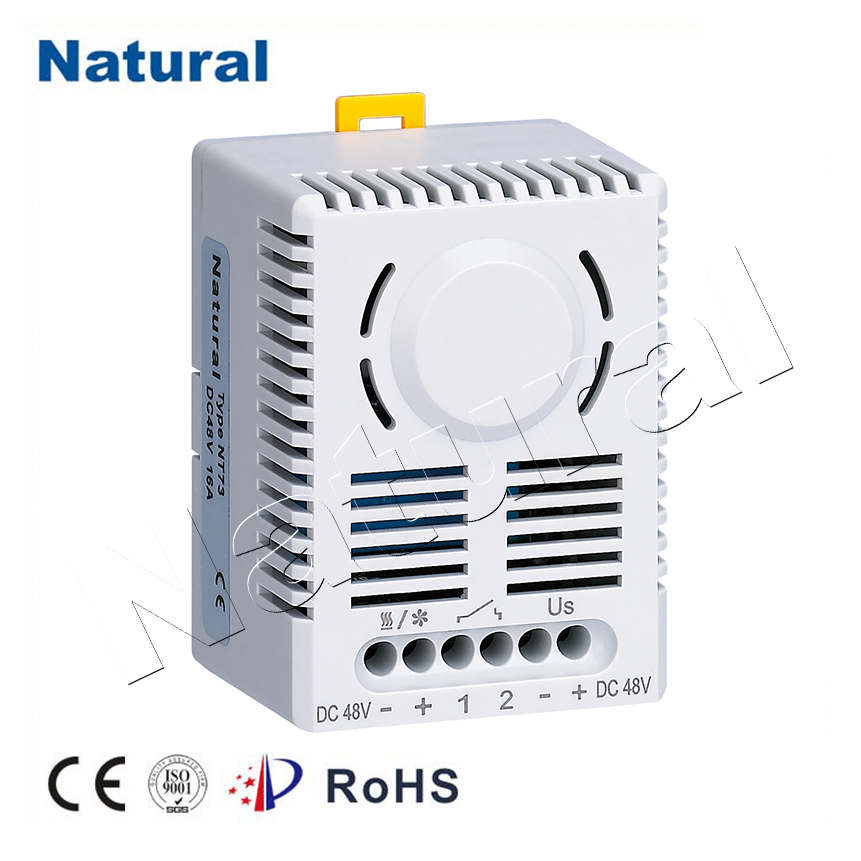
The thermostat switch, at its core, is a sensor and control unit that maintains a desired temperature by turning heating or cooling systems on or off. Over the years, it has evolved from a simple mechanical apparatus to a smart, programmable device that can be controlled remotely through smartphones and integrated with home automation systems. This evolution has not only revolutionized our comfort but has also become a critical tool in the fight against climate change. One of the key features of modern thermostat switches is their programmability. Homeowners can now create customized heating and cooling schedules based on their daily routines. This ensures that energy is not wasted on maintaining an ideal temperature when it’s not needed, such as during working hours or at night when everyone is asleep. The ability to program these switches not only optimizes energy consumption but also results in substantial cost savings on utility bills. Furthermore, the emergence of smart thermostat switches has added a new dimension to home climate control. These devices utilize advanced algorithms and machine learning to adapt to users’ preferences and behaviors. They can learn the times when occupants are typically at home and adjust the temperature accordingly. For instance, if a homeowner prefers a cooler temperature at night, the smart thermostat switch will learn this pattern and automatically lower the temperature during those hours. This level of automation not only enhances comfort but also reduces the carbon footprint by minimizing energy wastage. In recent years, the concept of the Internet of Things (IoT) has accelerated the development of thermostat switches. These smart devices can now be integrated into a larger network of interconnected appliances, enabling them to communicate and collaborate. For instance, a smart thermostat switch can receive information from weather forecasts and adjust the indoor temperature preemptively. It can also sync with solar panels or other renewable energy sources to optimize energy usage. This synergy of technology empowers homeowners to make environmentally conscious decisions without compromising their comfort. It’s worth noting that the benefits of thermostat switches extend beyond individual households. On a larger scale, the aggregated impact of energy-efficient heating and cooling can significantly reduce greenhouse gas emissions. By curbing energy consumption during peak hours, these devices help alleviate strain on power grids and contribute to a more stable and sustainable energy infrastructure. In conclusion, the thermostat switch has evolved from a simple temperature regulator to a sophisticated and environmentally conscious tool. Its ability to balance comfort and energy efficiency, coupled with advancements in technology, has made it an indispensable component of modern living. As we continue to strive for a greener future, the thermostat switch stands as a testament to how innovation can enhance our lives while preserving the planet. So, the next time you adjust the temperature in your home, take a moment to appreciate the ingenious device that makes it all possible.