In the modern age of automation and comfort, the development of innovative technologies continues to shape our daily lives. One such remarkable invention is the differential thermostat. This unassuming device plays a pivotal role in maintaining optimal temperature conditions, enhancing energy efficiency, and contributing to a more sustainable future.
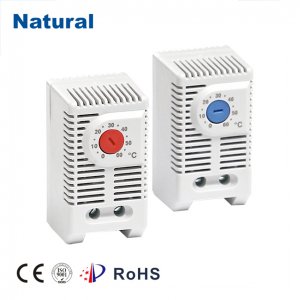
The differential thermostat, often referred to as a temperature controller, is a sophisticated electronic tool designed to regulate temperature variations in a given environment. Unlike traditional thermostats that simply turn heating or cooling systems on or off when a preset temperature is reached, a differential thermostat adds an extra layer of intelligence to the process. At its core, the differential thermostat monitors the ambient temperature and activates heating or cooling equipment not just when a specific temperature threshold is crossed, but when the temperature deviates from the desired setpoint by a certain amount. This unique feature prevents the constant cycling of HVAC systems, which can lead to energy wastage and decreased equipment lifespan. By activating systems only when necessary, the differential thermostat minimizes temperature fluctuations, providing a more consistent and comfortable environment. The applications of the differential thermostat are diverse and impactful. In industrial settings, where precise temperature control is crucial for processes and product quality, these devices ensure stability, reduce material wastage, and increase production efficiency. Greenhouses utilize differential thermostats to create ideal growing conditions for plants, optimizing growth rates and ultimately boosting crop yields. The benefits of differential thermostats extend beyond operational efficiency. By reducing the frequency of HVAC equipment cycling, these devices contribute to energy conservation, directly translating to reduced utility bills and a smaller carbon footprint. In an era where environmental concerns loom large, such technological advancements play an essential role in achieving sustainability goals. The inner workings of a differential thermostat are a testament to human ingenuity. Most modern units consist of a sensor to measure the ambient temperature, a control unit that processes temperature data, and a switch that triggers heating or cooling equipment. Some advanced models even incorporate programmable features, enabling users to customize temperature ranges and differentials based on their specific needs. In residential applications, differential thermostats are invaluable, particularly in regions with fluctuating weather patterns. Imagine a winter night where temperatures outside plummet, causing the indoor temperature to drop significantly. A conventional thermostat might turn on the heater when the temperature falls below a certain point, but then shut it off as soon as that threshold is reached again. This constant cycling not only consumes excess energy but also creates an uncomfortable environment. A differential thermostat, on the other hand, activates the heater only when the temperature decreases by a predetermined amount from the desired level, ensuring a steadier and cosier indoor climate. As technology advances, the potential for further improvements in differential thermostat design and functionality becomes apparent. Integration with smart home systems, remote monitoring and control, and adaptive algorithms are just a few avenues that could enhance the capabilities of these devices. In conclusion, the differential thermostat stands as a testament to human innovation in the realm of temperature control technology. By addressing the limitations of traditional thermostats and optimizing temperature regulation, this unassuming device has far-reaching implications for energy efficiency, comfort, and environmental sustainability. As we continue to embrace intelligent solutions for everyday challenges, the differential thermostat serves as a shining example of how small advancements can make a big difference.