Introduction
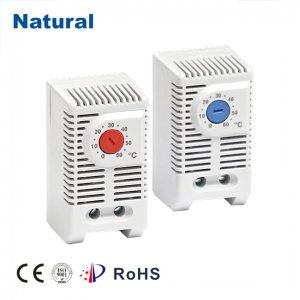
In today’s rapidly evolving world, technological advancements continue to reshape our lives in profound ways. One such innovation that has significantly impacted our comfort and energy efficiency is the differential thermostat. This unassuming device plays a vital role in regulating temperature and reducing energy consumption, making it a remarkable addition to modern living. The Concept and Functionality The differential thermostat, often referred to as a temperature differential controller, is a device designed to maintain a consistent temperature differential between two separate environments. It achieves this by automatically activating heating or cooling systems when a predetermined temperature difference is detected. This innovation is particularly valuable in scenarios where precise temperature control is essential, such as in greenhouses, industrial processes, and HVAC systems. Key Components and Operation At its core, a differential thermostat comprises three key components: sensors, a comparator, and an output relay. The sensors monitor the temperatures of the two environments, sending this data to the comparator. The comparator then compares the temperature readings and triggers the output relay when the temperature difference exceeds the set threshold. The output relay, in turn, controls the heating or cooling system, ensuring that the desired temperature differential is maintained. Energy Efficiency and Environmental Benefits One of the most significant advantages of the differential thermostat is its potential for energy savings. By activating heating or cooling systems only when necessary, this device prevents unnecessary energy consumption, reducing utility bills and minimizing the carbon footprint. In large-scale applications like industrial processes, the cumulative effect of such energy savings can be substantial, contributing to more sustainable and environmentally-friendly practices. Applications in Various Sectors The versatility of the differential thermostat has led to its adoption across various sectors. In agricultural settings, such as greenhouses, the device ensures that crops receive consistent temperatures, promoting optimal growth conditions. In industrial processes, precise temperature differentials are often crucial for efficient operations and product quality. Furthermore, the technology finds application in residential HVAC systems, enabling homeowners to maintain comfortable temperatures while minimizing energy usage. Challenges and Future Developments Despite its numerous benefits, the differential thermostat does face certain challenges. Calibration and maintenance are crucial to ensure accurate temperature differentials, and advancements in sensor technology are needed to enhance reliability and precision. Additionally, ongoing research aims to optimize the device’s design for improved energy efficiency and expanded applications. Conclusion In the grand tapestry of technological innovation, the differential thermostat stands out as a modest yet essential contributor to our modern way of life. By providing precise temperature control and energy efficiency, this unassuming device has found its way into various sectors, from agriculture to industry and residential settings. As researchers continue to refine its design and capabilities, the differential thermostat’s impact is set to grow, contributing to a more sustainable and comfortable future for us all.