As the world becomes more technologically advanced, homeowners are seeking ways to improve the efficiency and convenience of their swimming pools. One such innovation that has gained significant traction is the Swimming Pool Solenoid Valve. This essential component plays a critical role in the automation and management of water flow within swimming pools, contributing to both the maintenance of water quality and the overall safety of the pool environment. In this article, we will explore the functionality, benefits, applications, and maintenance of swimming pool solenoid valves.
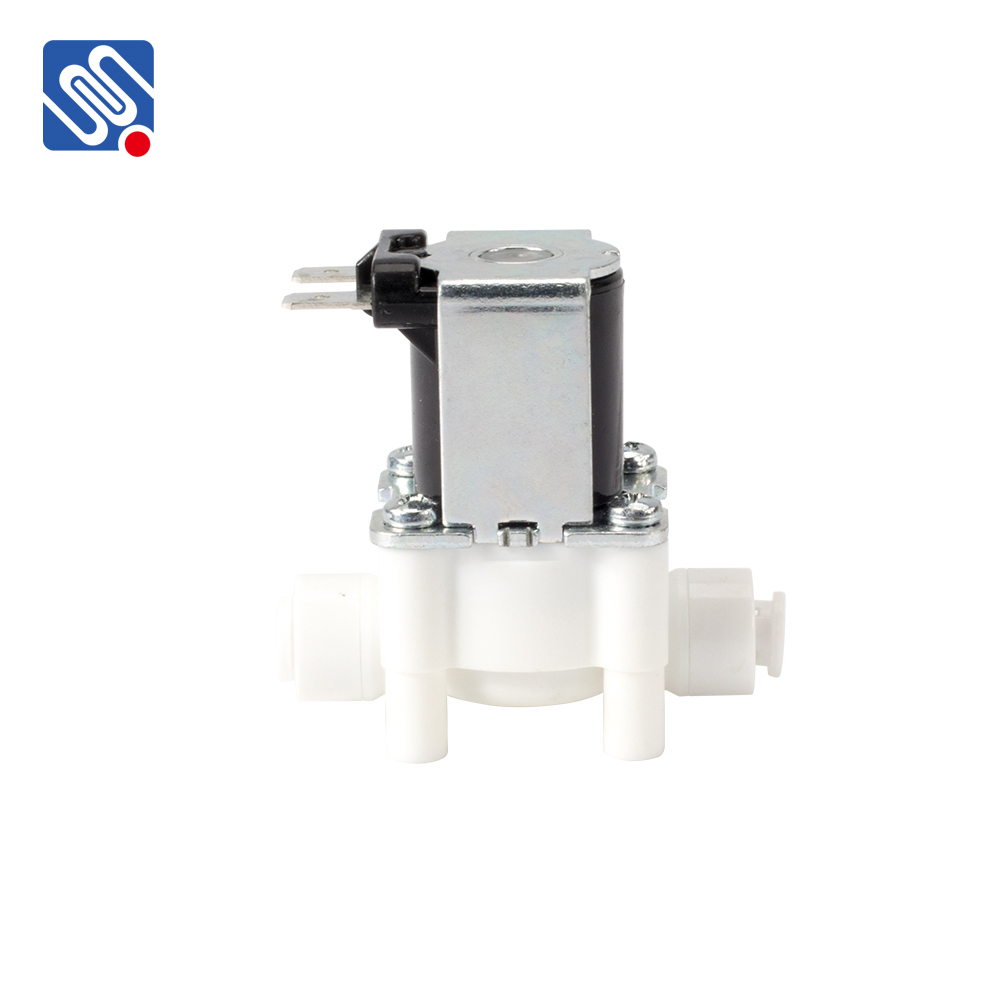
What Is a Swimming Pool Solenoid Valve? A solenoid valve is an electromechanical device that controls the flow of fluid (in this case, water) through a pipe or system. In the context of swimming pools, these valves are typically used to regulate the flow of water to various systems such as filters, heaters, and chemical feeders. When electrical current passes through a solenoid coil, it creates a magnetic field that either opens or closes the valve. This makes it possible for the swimming pool’s water circulation systems to operate automatically and efficiently. How Does It Work? The operation of a swimming pool solenoid valve is relatively straightforward. At its core, the solenoid consists of a coil of wire that generates a magnetic field when electricity is applied. This magnetic field moves a metal armature inside the valve, either opening or closing it depending on the design. The two primary types of solenoid valves used in swimming pools are direct-acting and pilot-operated valves.