In every industrial or mechanical environment, safety is paramount. One crucial element in ensuring worker safety is the implementation of Lockout/Tagout (LOTO) procedures. Among the most important tools within this system are safety lockout tags. These tags play a critical role in protecting workers from accidents related to unexpected releases of hazardous energy during maintenance or repair tasks. In this article, we’ll explore the importance of safety lockout tags, their components, and how they contribute to a safer workplace.
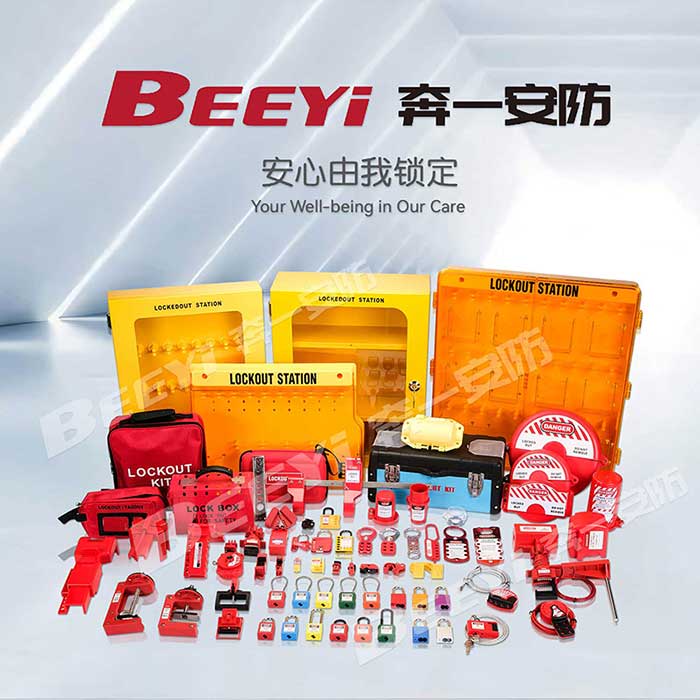
Understanding Safety Lockout Tags Safety lockout tags are a visual and physical reminder that machinery or equipment is undergoing maintenance or repair. These tags are part of a broader Lockout/Tagout system, which is designed to control hazardous energy sources and ensure that equipment cannot be accidentally activated during servicing. The system involves physically locking out the equipment using lockout devices and tagging the equipment with safety lockout tags to clearly indicate that it should not be operated. Lockout tags, often made from durable materials such as laminated plastic or heavy-duty paper, are typically attached to machinery or electrical panels that are being worked on. These tags include essential information such as the name of the person who performed the lockout, the reason for the lockout, and the time and date of the procedure. This ensures accountability and prevents unauthorized personnel from tampering with the equipment.