In any industrial setting, safety is paramount. With the presence of heavy machinery, electrical systems, and hazardous materials, ensuring the well-being of workers is a top priority. One of the most effective tools for maintaining safety in such environments is the use of safety lockout padlocks. These devices play a crucial role in the lockout/tagout (LOTO) procedures, a practice designed to prevent the unexpected release of hazardous energy during maintenance or repair activities. In this article, we will explore the significance of safety lockout padlocks, their features, and the best practices for implementing them in the workplace.
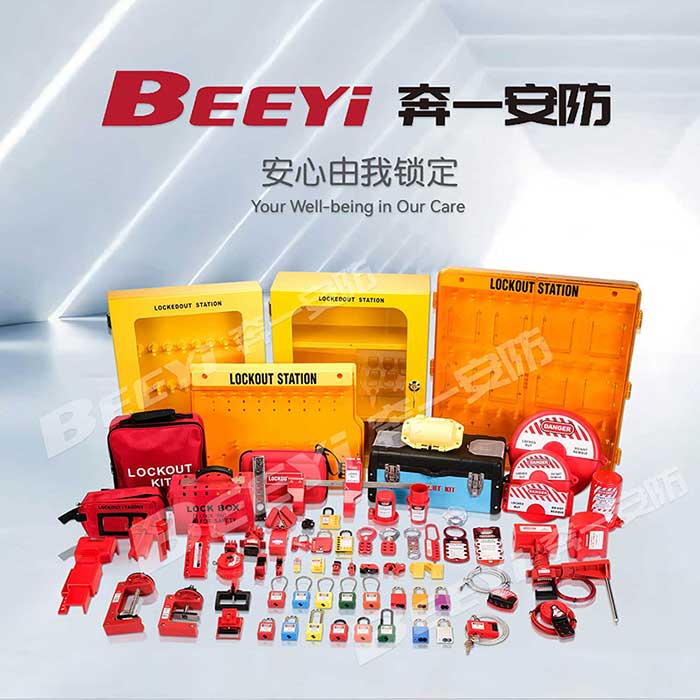
What Are Safety Lockout Padlocks? Safety lockout padlocks are specialized locks used to secure energy-isolating devices in industrial machinery and electrical systems during maintenance or repair operations. These padlocks are part of the lockout/tagout system, which is a safety protocol to protect workers from accidents caused by the accidental release of hazardous energy such as electrical, mechanical, hydraulic, or pneumatic energy. The lockout padlocks are designed to be durable, tamper-resistant, and identifiable, ensuring that only authorized personnel can access or operate machinery under specific, safe conditions.