Pneumatic systems are widely used in industrial environments due to their efficiency and power. However, these systems, like all energy sources, pose safety risks, especially during maintenance or repair work. One of the most effective ways to prevent accidents in such environments is the use of pneumatic lockout devices. In this article, we will explore the importance of pneumatic lockouts in bulk orders, discussing their safety benefits, cost-effectiveness, and the role they play in maintaining compliance with workplace safety standards.
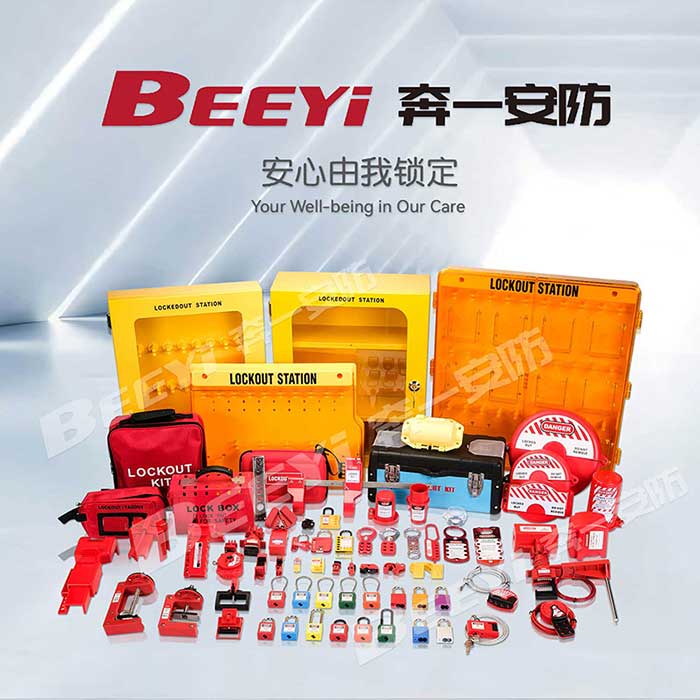
Understanding Pneumatic Lockouts Pneumatic lockouts are safety devices designed to isolate pneumatic energy from machinery or equipment, preventing accidental release during maintenance or service. These lockouts work by securely locking out the pneumatic valve or pressure source, ensuring that workers can perform their tasks without the risk of being exposed to dangerous pressurized air or other related hazards. Lockout devices are typically used in conjunction with a lockout/tagout (LOTO) program, which is a safety procedure designed to control hazardous energy sources during maintenance activities. While lockout devices for electrical, hydraulic, and mechanical systems are common, pneumatic lockouts specifically address the unique risks posed by pneumatic systems, which are often under high pressure and can cause serious injuries if mishandled.