Lockout/Tagout (LOTO) safety padlocks are essential tools in ensuring the safety of workers in industrial and mechanical environments. They play a critical role in preventing injuries caused by the accidental release of hazardous energy during equipment maintenance or repair. The use of LOTO safety padlocks, along with lockout and tagout procedures, is a fundamental practice in workplaces where machinery and electrical systems pose a risk to employee safety. In this article, we will explore the importance of LOTO safety padlocks, how they function, and their role in maintaining a safe work environment.
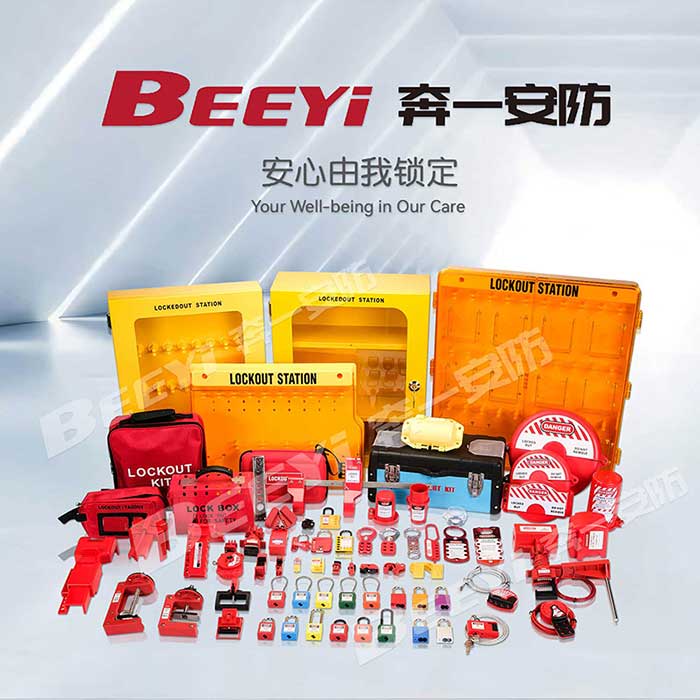
Understanding LOTO Safety Padlocks LOTO, which stands for “Lockout/Tagout,” is a safety protocol that is designed to prevent the accidental startup of machines or the release of dangerous energy during servicing or maintenance work. The LOTO safety system typically involves two main components: lockout devices and tagout labels. A LOTO safety padlock is one of the lockout devices used to secure machinery, ensuring that it cannot be operated while it is being serviced. The LOTO safety padlock is a specialized lock that prevents the operation of machinery by physically securing switches, valves, or other energy control points in the “off” position. This lock cannot be removed unless the person who placed it there is present and has the proper key. LOTO safety padlocks are designed to be durable, tamper-resistant, and easy to apply, ensuring that they can be used effectively in industrial environments.