In any industrial setting, safety is a top priority, especially when it comes to the operation and maintenance of machinery. One of the key safety procedures designed to prevent accidents during machine maintenance is the Lockout/Tagout (LOTO) system. At the heart of this system is the LOTO safety lock, an essential tool that helps protect workers from the dangers of accidentally starting or energizing equipment while it is being serviced or repaired. This article will explore the significance of the LOTO safety lock, how it functions, and why it is critical to maintaining a safe working environment.
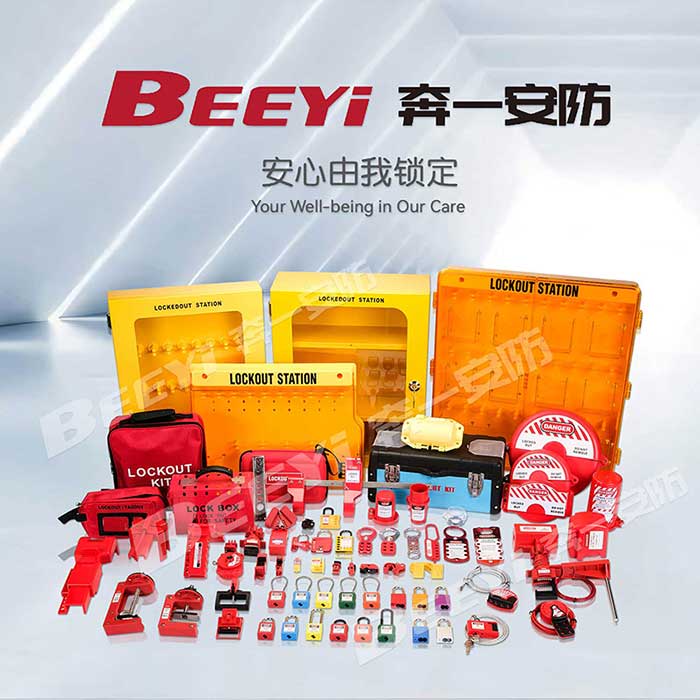
What is a LOTO Safety Lock? A LOTO safety lock is a physical device used to lock out machinery or electrical systems during maintenance activities. It is part of the larger Lockout/Tagout (LOTO) procedure, which is designed to prevent accidental machine startups, releases of hazardous energy, or unintended movement of equipment while maintenance workers are engaged with it. The lockout portion of the system involves the application of a lock, while the tagout part involves placing a tag on the equipment to alert others that it is being serviced and should not be operated. The LOTO safety lock is used to physically lock a machine or piece of equipment in the off position. Typically, this involves locking out the energy-isolating device—such as a circuit breaker, valve, or switch—using a specially designed lock. This lock is usually keyed, meaning only the worker who applied the lock, or authorized personnel, can remove it. This key management system helps ensure that no unauthorized individuals can unlock and start the machine during maintenance.