Lockout/Tagout (LOTO) safety is a critical safety procedure used in workplaces to prevent injuries and fatalities during the maintenance or servicing of machinery and equipment. This practice ensures that energy sources, whether electrical, mechanical, hydraulic, or pneumatic, are properly isolated and controlled to prevent the unexpected release of hazardous energy that could potentially harm workers. Adopting LOTO procedures is not only a matter of regulatory compliance but also a fundamental aspect of creating a safe and efficient work environment. In this article, we will explore the importance of LOTO safety, its key components, and how it benefits both employees and employers.
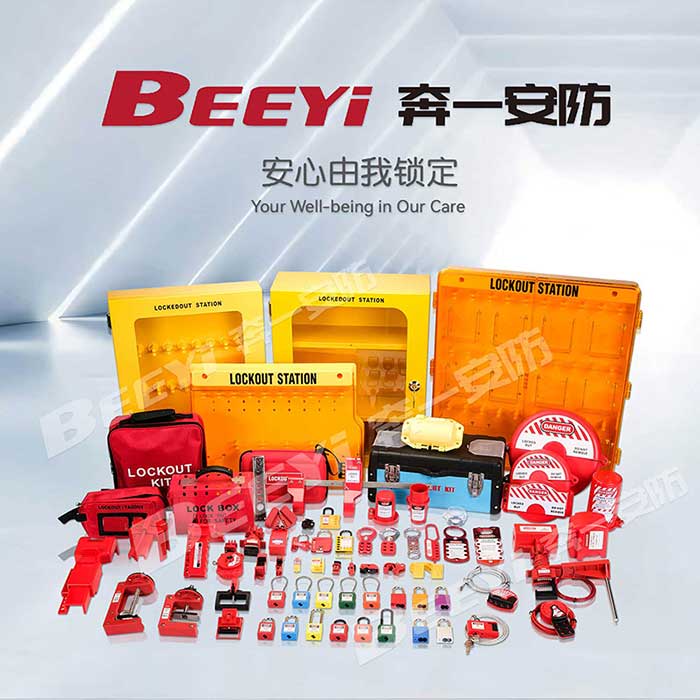
What is LOTO Safety? LOTO stands for Lockout/Tagout, a safety procedure that involves the use of locks and tags to isolate energy sources during maintenance or repair operations. The primary goal of LOTO safety is to prevent machines from being accidentally activated while workers are performing maintenance tasks. This includes securing all energy sources—electrical circuits, steam pipes, hydraulic systems, or any other potentially dangerous energy sources—before workers start their tasks. By isolating these energy sources, LOTO minimizes the risk of injury caused by accidental machine start-ups, explosions, or other hazardous incidents.