Lockout safety padlocks are essential tools in workplace safety protocols, especially in environments where machinery and electrical systems can pose significant risks to workers. These padlocks, used as part of lockout/tagout (LOTO) procedures, help prevent accidental machine start-ups and energy releases that could cause severe injuries or fatalities. In this article, we will explore what lockout safety padlocks are, how they are used, and why they are crucial in ensuring the safety of workers in hazardous industrial settings.
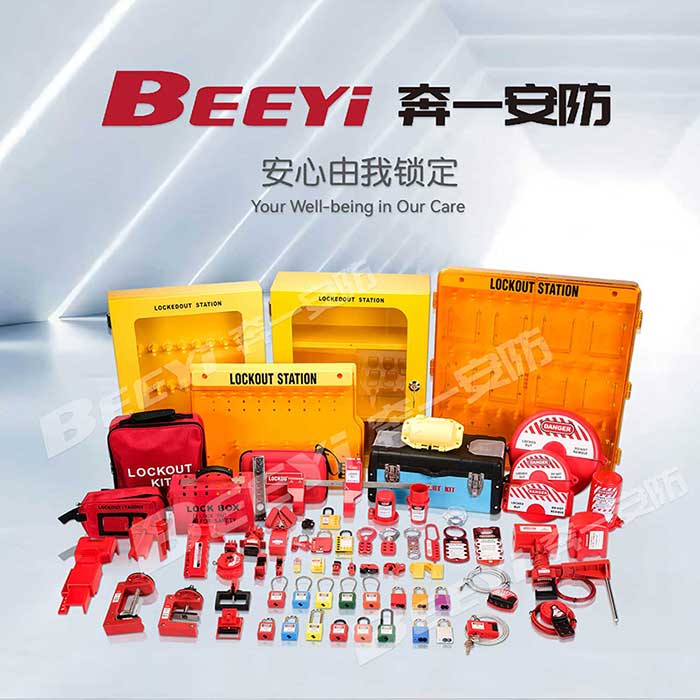
What are Lockout Safety Padlocks? Lockout safety padlocks are specialized locks used to secure energy-isolating devices, such as valves, electrical switches, and mechanical components, during maintenance, repair, or servicing activities. These padlocks are designed to prevent unauthorized access and accidental activation of machinery or equipment while workers are performing their duties. The primary goal is to ensure that machinery or systems are completely isolated from their energy sources—whether that be electrical, hydraulic, pneumatic, or thermal—before anyone begins maintenance work.