In industries that deal with hazardous materials, safety is always a top priority. One of the essential components in ensuring safety is the use of explosion-proof equipment, particularly explosion-proof electric valves. These specialized valves are designed to prevent potential explosions in environments where flammable gases, vapors, or dust are present. By controlling the flow of fluids or gases in such settings, explosion-proof electric valves play a crucial role in minimizing the risk of fire or explosions, protecting both personnel and infrastructure. This article explores the significance, working mechanism, applications, and benefits of explosion-proof explosion-proof electric valves in hazardous environments.
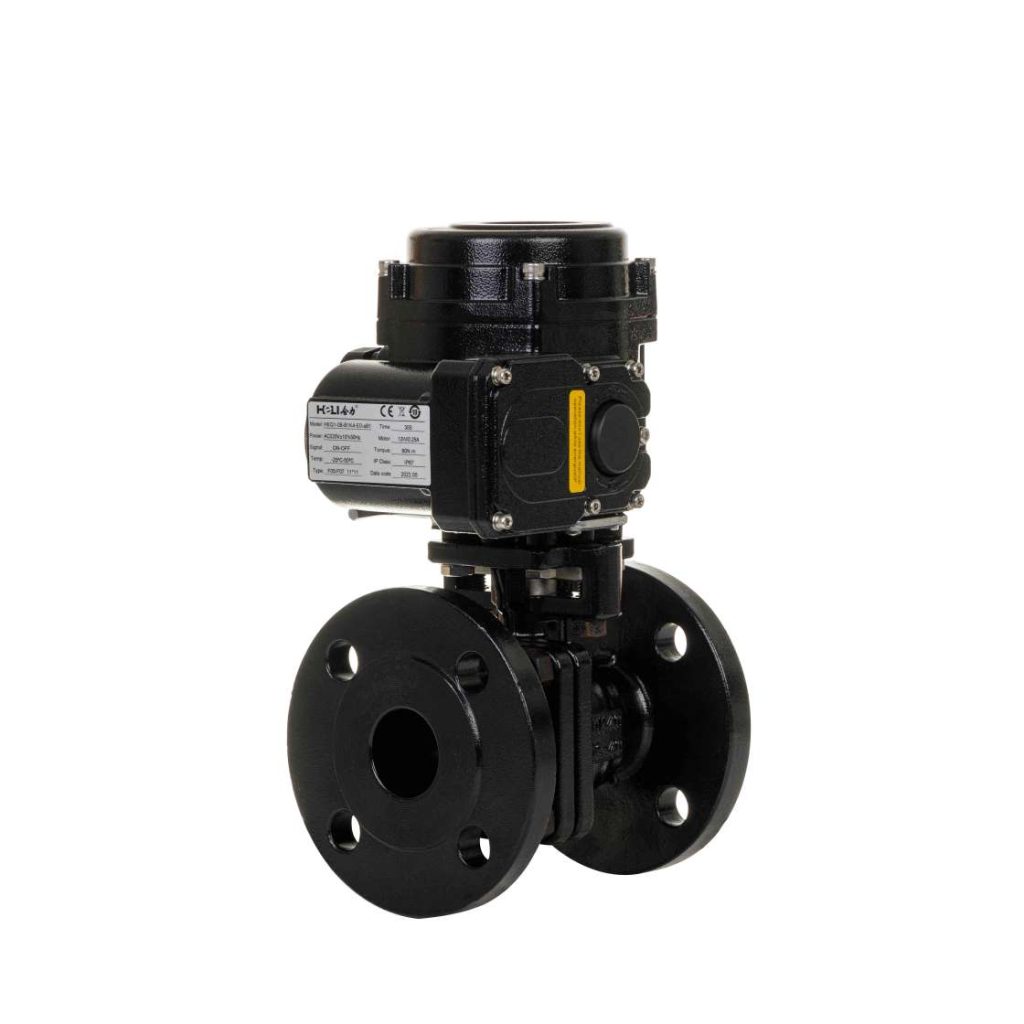
What are Explosion-proof Electric Valves?
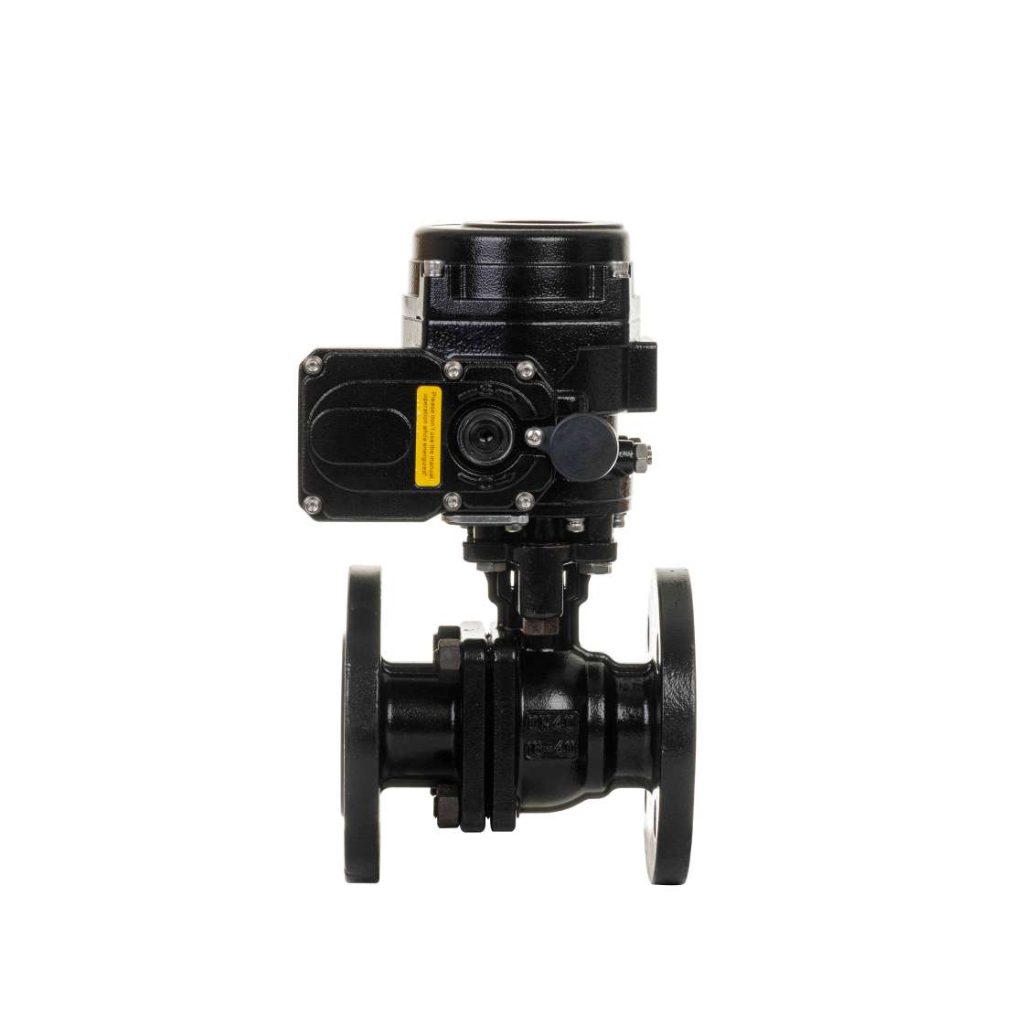
An explosion-proof electric valve is a type of valve that operates under electric power and is specifically built to contain potential sparks or overheating that could ignite flammable materials. These valves are encased in robust housings made of materials capable of withstanding the impact of internal explosions. The explosion-proof nature of these valves ensures that, even in the case of a malfunction or spark, any potential ignition will be contained within the valve, preventing it from spreading to the surrounding environment. The term “explosion-proof” refers to the valve’s ability to prevent the ignition of explosive substances by isolating the internal electrical components from any potentially hazardous atmosphere. Explosion-proof electric valves are engineered to function in areas with high levels of combustible gases or dust, such as oil refineries, chemical plants, and mining operations.
Leave a Reply