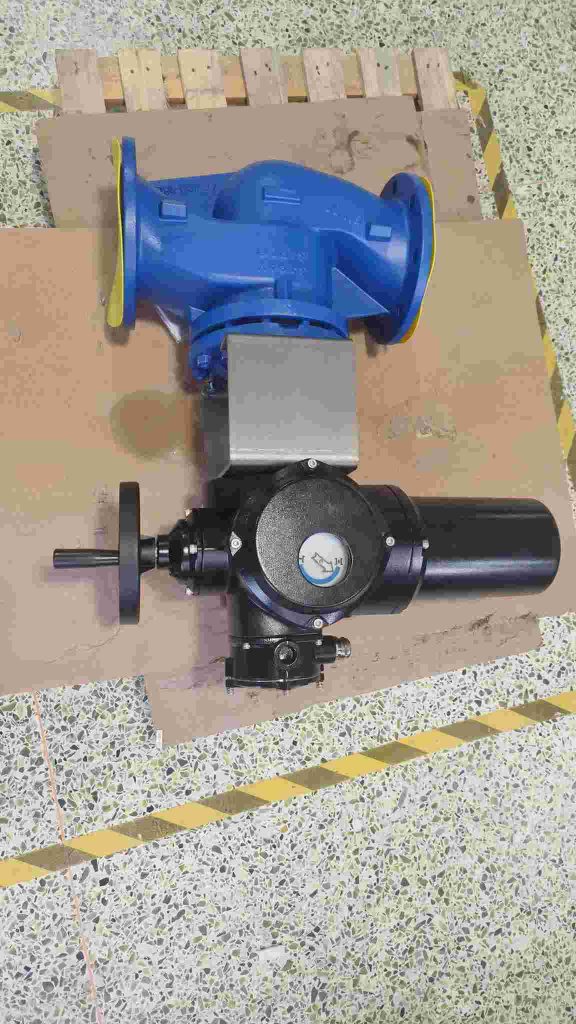
Electric Globe valves play a vital role in numerous industrial applications, offering precision control over fluid flow in systems where accuracy is essential. These valves combine the mechanical reliability of globe valve designs with the versatility of electric actuation, providing significant advantages in sectors ranging from water treatment to chemical processing. This article explores the functionality, features, and applications of Electric Globe valves, highlighting their importance in modern engineering systems.
What is an Electric Globe Valve?
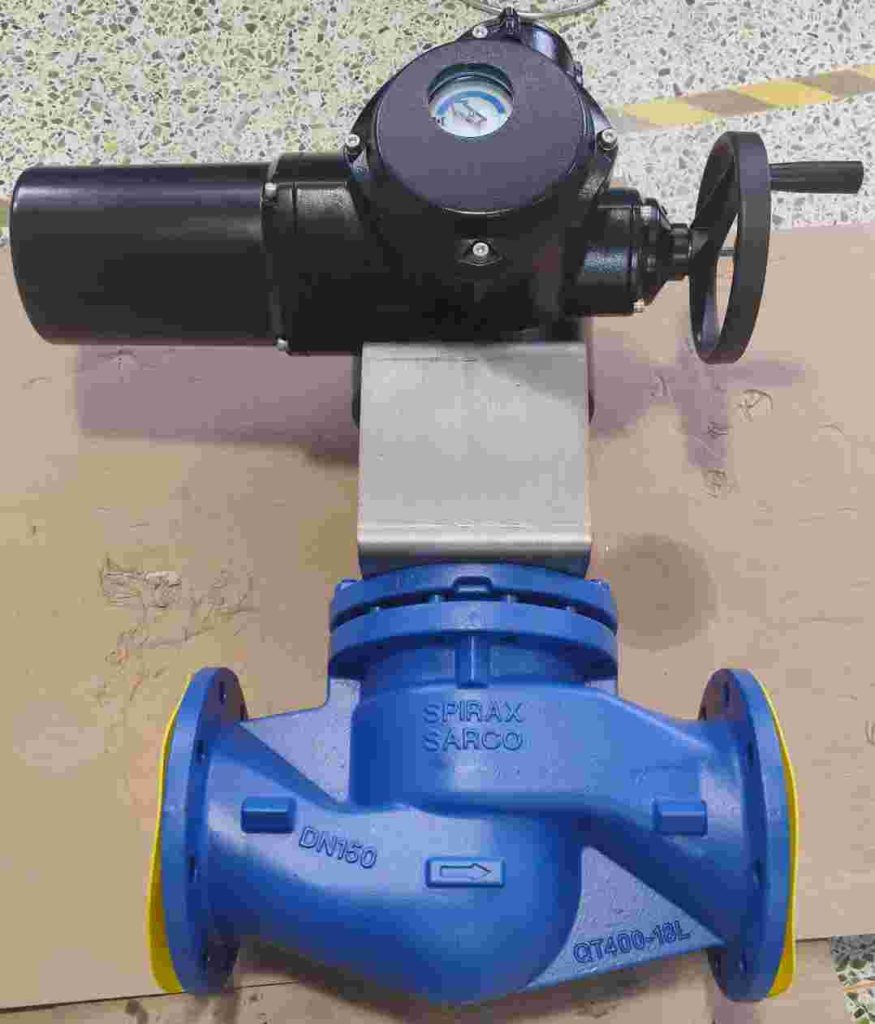
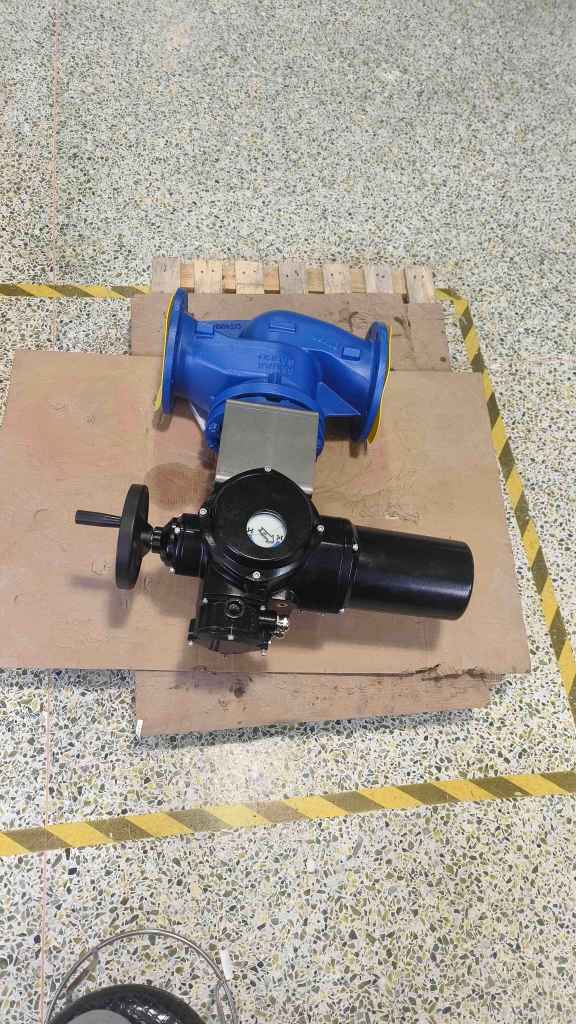
An Electric Globe Valve is a type of valve that uses an electric actuator to regulate the flow of fluids through a pipe. It is primarily designed for applications where precise flow control is required, unlike other valve types such as ball valves or gate valves, which are typically used for on/off purposes. Globe valves are known for their ability to throttle flow, and when combined with an electric actuator, they can provide automated, remote-controlled, and highly accurate flow regulation. Electric Globe valves are composed of two main parts: the valve body (a globe-shaped housing that directs fluid flow) and the electric actuator (a motor-driven device that opens and closes the valve). The actuator is powered by electricity, allowing it to adjust the valve position based on control signals, which can either be analog or digital, from a supervisory control system.