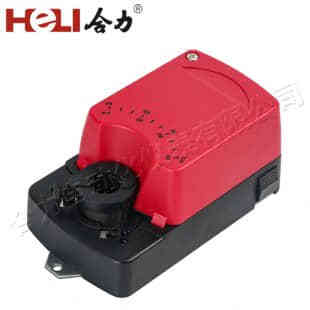
A Damper Actuator is an essential component in modern HVAC (Heating, Ventilation, and Air Conditioning) systems. It is responsible for controlling airflow by regulating the position of dampers within ductwork. These devices play a crucial role in maintaining efficient air distribution, temperature control, and energy conservation. This article will explore the function, types, and applications of Damper Actuators, as well as their impact on building comfort and energy efficiency.
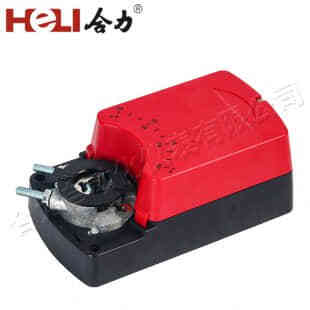
What is a Damper Actuator?
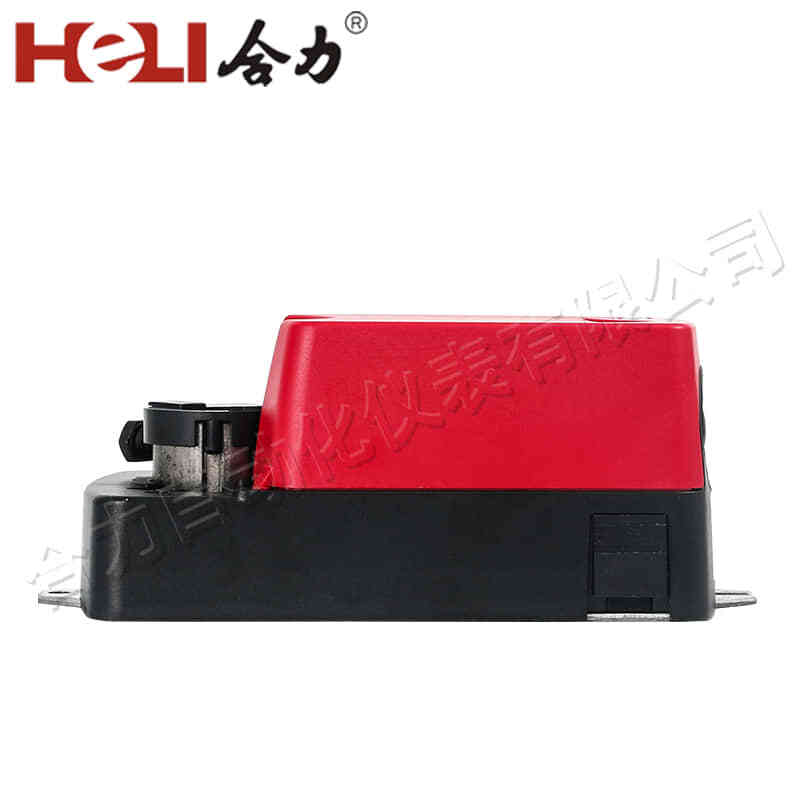
At its core, a Damper Actuator is a mechanical device used to open or close a damper in a ventilation system. Dampers are devices placed inside air ducts or pipes, which can be adjusted to control the flow of air. The damper actuator, typically motorized, responds to signals from a controller (such as a thermostat or building management system) to adjust the damper’s position. This allows the system to regulate airflow based on demand, whether for temperature control, air quality, or pressure management. Damper actuators are used to control both the volume and direction of air flowing through a system. Depending on the application, they can modulate the airflow to optimize heating or cooling, ensure proper ventilation, and maintain desired environmental conditions. Without damper actuators, HVAC systems would be unable to respond dynamically to changing conditions, resulting in inefficient energy use and poor indoor air quality.