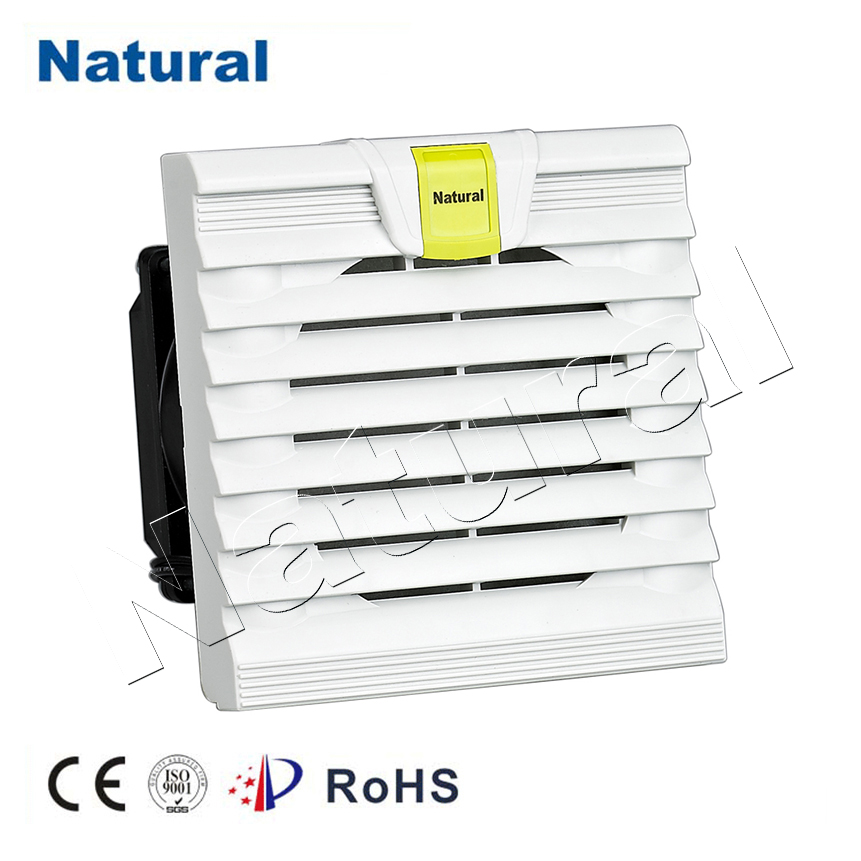
In today’s fast-paced technological world, maintaining air quality and ensuring the smooth operation of sensitive equipment are critical aspects of many industries. One of the key solutions to achieve these objectives is the use of cabinet filters. These specialized filtration systems are designed to ensure that electronic and mechanical devices are not exposed to harmful contaminants, while also improving air quality in controlled environments. This article will explore the role of cabinet filters, how they work, and their importance in various industries.
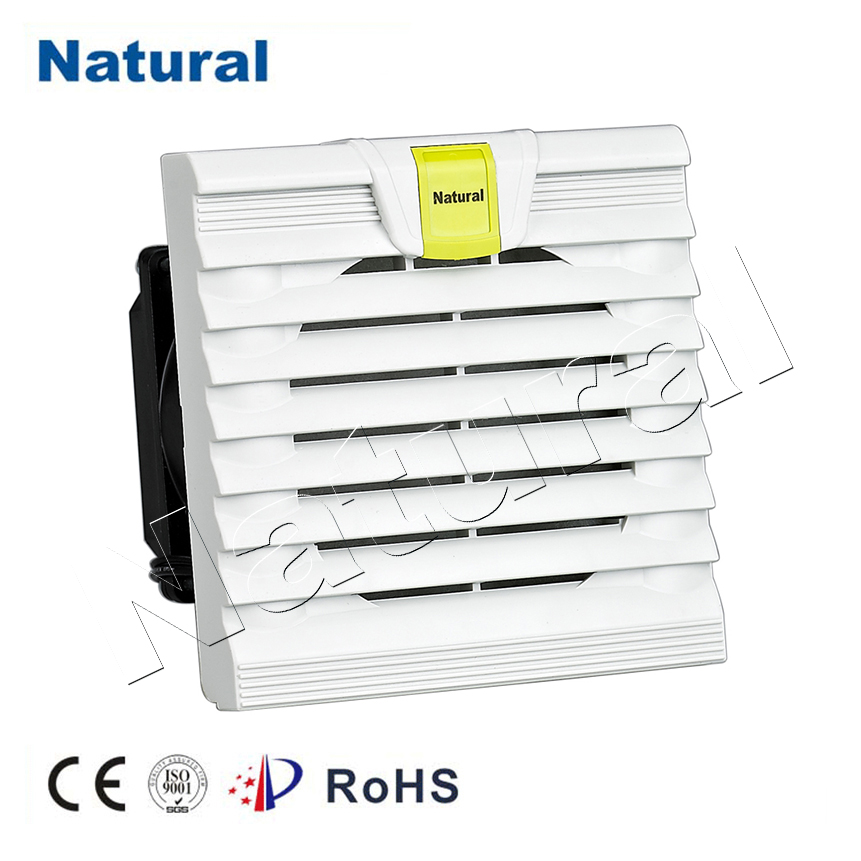
What Are Cabinet Filters?
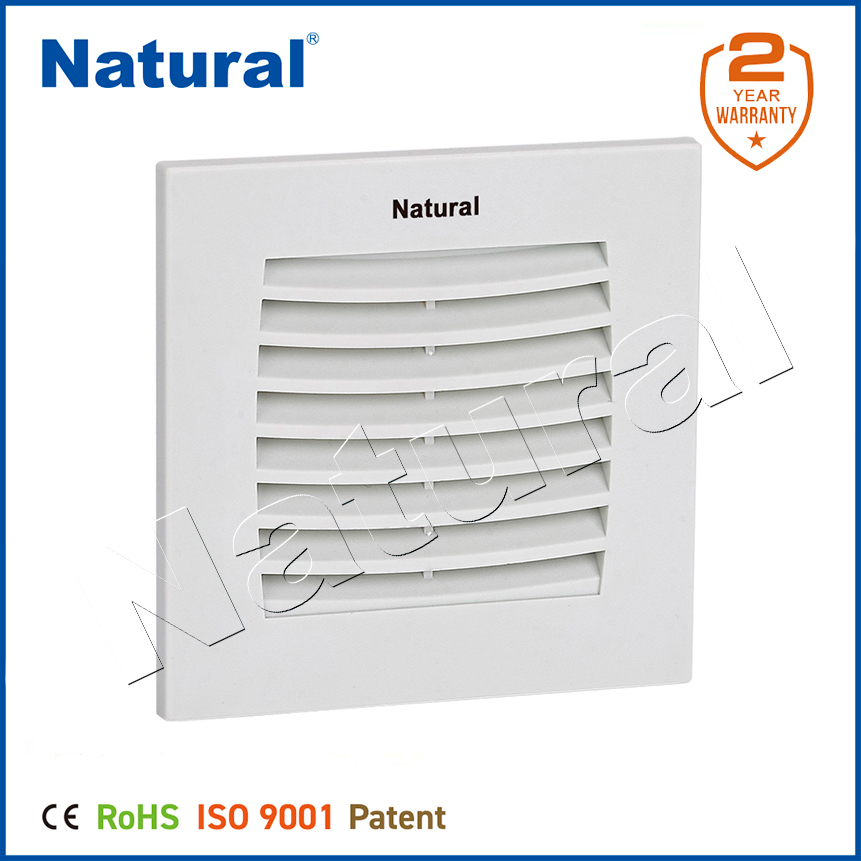
A cabinet filter is a filtration system typically integrated into the enclosures or cabinets of electrical and electronic equipment. These filters are designed to capture airborne particles such as dust, dirt, and pollutants that can damage sensitive components. In addition to safeguarding equipment, cabinet filters help regulate airflow, maintaining optimal temperature and preventing the buildup of harmful substances inside enclosures. Cabinet filters come in various types, with different filtration methods including mechanical filters, HEPA (High-Efficiency Particulate Air) filters, and activated carbon filters. Each type serves a unique purpose based on the needs of the specific application, whether it’s protecting high-end electronics, laboratory instruments, or industrial machinery.