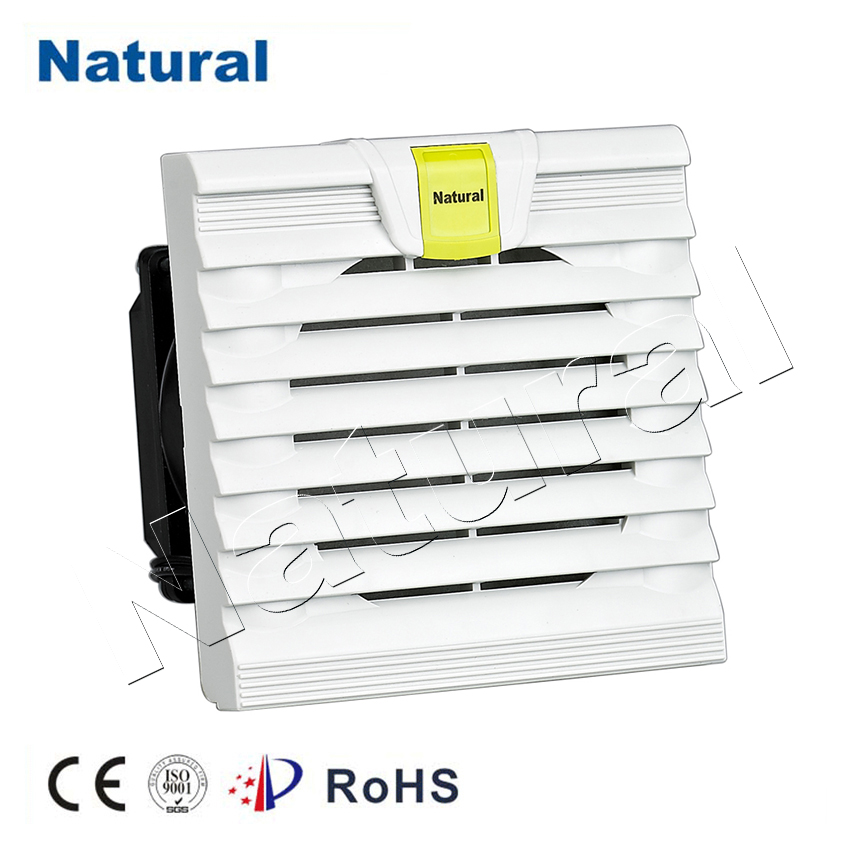
In today’s world, where electronic equipment and machinery are vital to daily operations in both industrial and commercial settings, maintaining optimal performance and longevity is crucial. A critical aspect of ensuring that equipment functions properly is effective cooling, especially when it comes to sensitive electronics. One of the most commonly used solutions for cooling enclosed spaces, such as control cabinets, server racks, and other electronic housings, is the cabinet filter fan. This device plays a vital role in maintaining a stable operating environment and prolonging the lifespan of expensive and complex electronic systems.
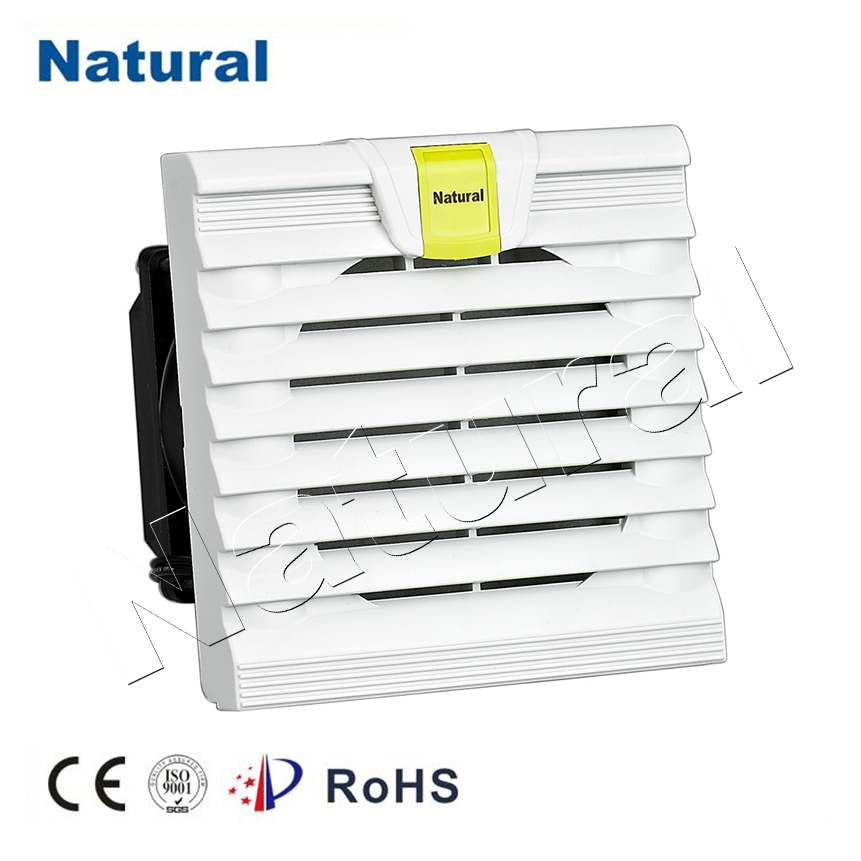
What is a Cabinet Filter Fan?
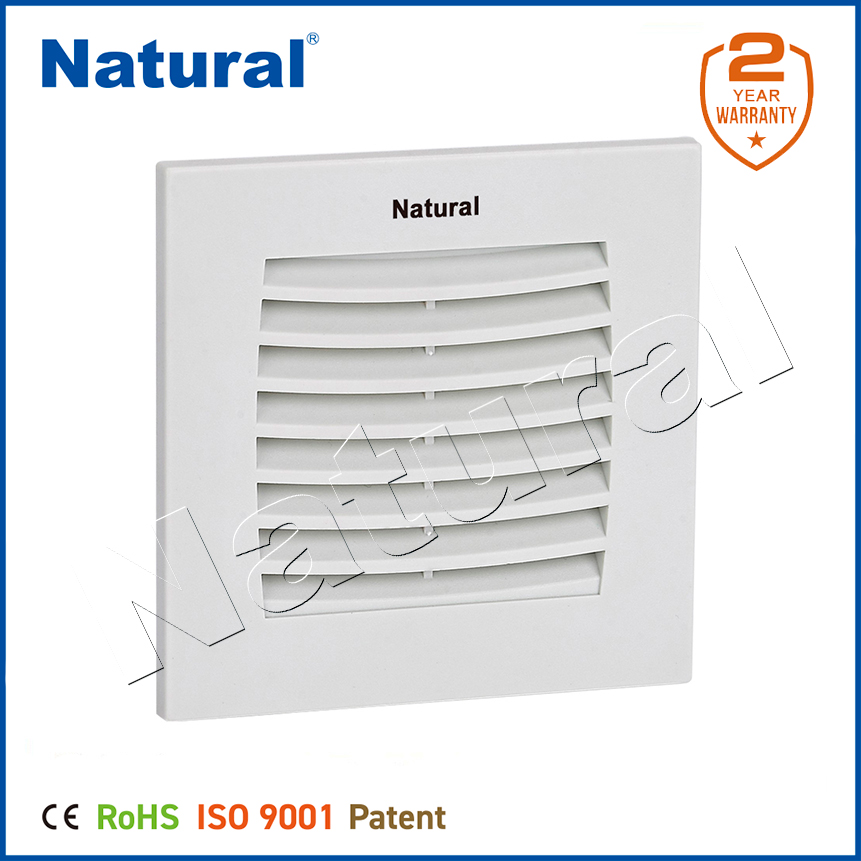
A cabinet filter fan is a specialized cooling device designed to regulate the temperature inside electrical or electronic enclosures. These enclosures, often referred to as cabinets or control boxes, house various electronic components such as circuit boards, processors, and power supplies. Without proper airflow and temperature control, these components can overheat, leading to malfunctions, reduced efficiency, or even complete system failure. The cabinet filter fan typically consists of a fan, filter, and housing unit. The fan draws in air from the surrounding environment and passes it through a filter before circulating it inside the enclosure. The filter ensures that dust, debris, and other contaminants are kept out, while the fan works to lower the internal temperature of the cabinet by promoting airflow.