Automotive relays are critical components in modern vehicle electrical systems, serving as essential switches that control high-power circuits using low-power signals. These small but powerful devices ensure the proper functioning of numerous automotive features, from lighting systems to air conditioning units, enhancing safety, efficiency, and reliability. Understanding how automotive relays work and their role in the vehicle’s operation is crucial for anyone interested in automotive technology or looking to maintain their vehicle’s electrical system.
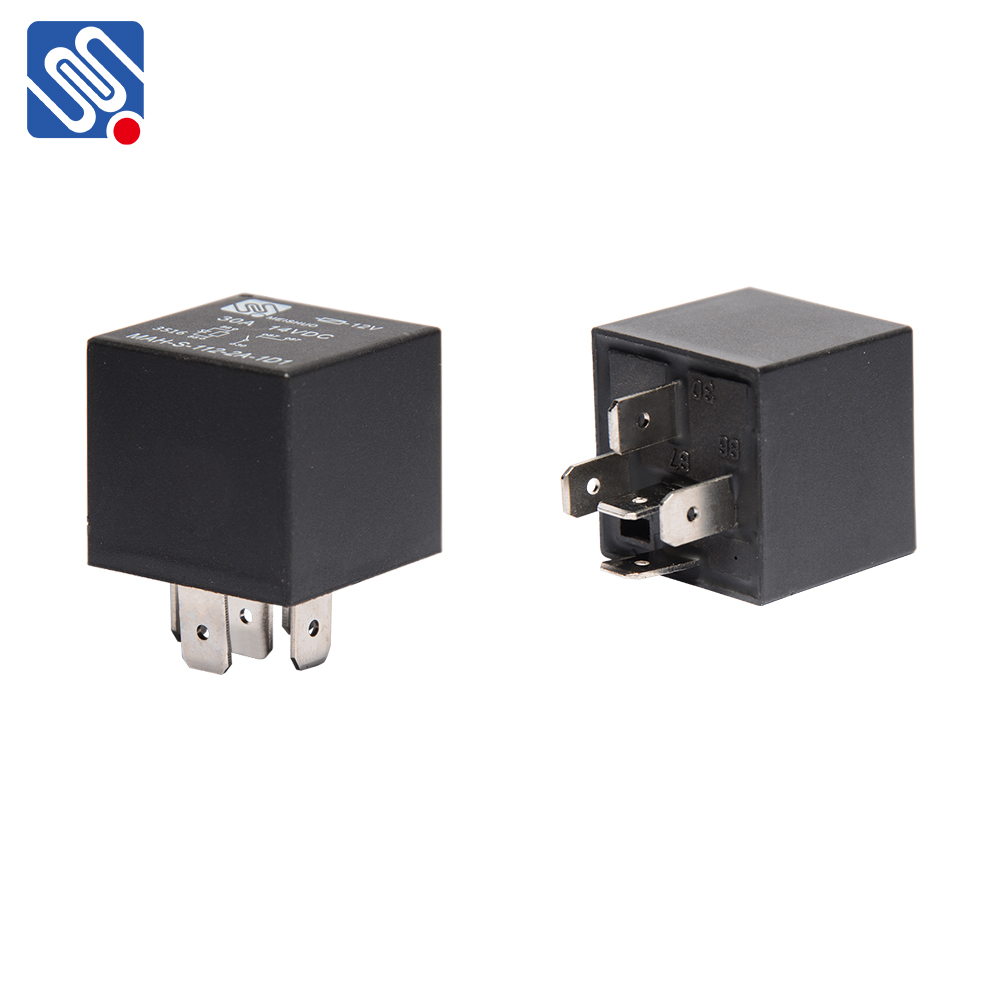
What is an Automotive Relay? An automotive relay is an electrically operated switch that enables a small current to control a larger one. Essentially, a relay allows a vehicle’s control circuit to switch on and off a larger, more power-hungry circuit, without directly powering that circuit with the control signal itself. It uses an electromagnet to open or close contacts, thereby regulating the flow of electricity to various components of the vehicle. How Automotive Relays Work The operation of a relay is based on simple electromagnetism. When a small current flows through the relay’s control coil, it creates a magnetic field that moves a metal armature. This movement either opens or closes a set of contacts, thereby enabling or disabling the high-current circuit. The design of relays ensures that the low-power signal used to activate the relay never comes in contact with the high-power circuit, effectively isolating the control system from the electrical load it is managing.
Leave a Reply