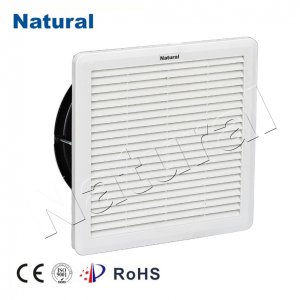
In the contemporary world, air quality is a growing concern, not just in outdoor environments but also in indoor spaces. With increasing levels of air pollution and various airborne contaminants, maintaining clean and healthy air has become a priority. One of the most effective ways to address this issue is through air filter ventil systems. These systems are vital in controlling and improving indoor air quality by filtering out harmful particles and maintaining a fresh and breathable environment. This article explores the importance of air filter ventil systems, their working mechanism, and their role in enhancing air quality in different settings.
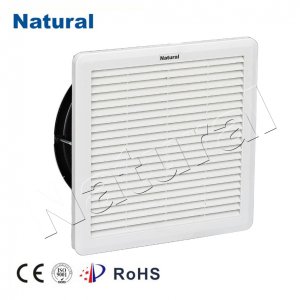
What is an Air Filter Ventil?
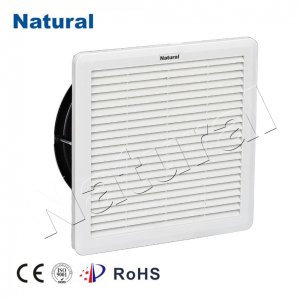
An air filter ventil is a system designed to filter and circulate air, ensuring that the air entering a space is clean and free from contaminants. This system typically consists of several key components, including an air filter, a ventilation fan, and ducts or air passages that distribute the filtered air throughout the environment. The filter traps pollutants such as dust, pollen, smoke, and even harmful gases, while the ventilation fan ensures that the filtered air circulates effectively within a room or building. How Does an Air Filter Ventil Work? The primary function of an air filter ventil is to clean the air by removing particles and pollutants. The process begins when the fan draws in the air from the surrounding environment. As the air passes through the filter, it is subjected to a multi-stage cleaning process, depending on the type of filter used. For example, a High-Efficiency Particulate Air (HEPA) filter can capture up to 99.97% of airborne particles that are 0.3 microns or larger. This includes dust, pet dander, mold spores, and even bacteria and viruses.