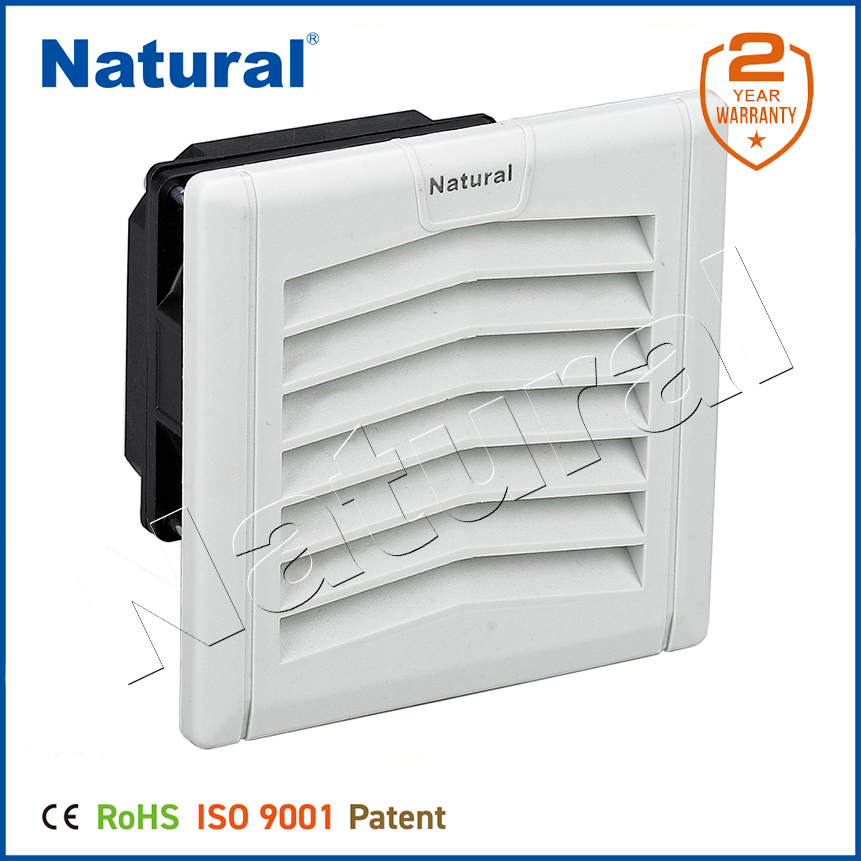
In recent years, air pollution has become a growing concern for many urban areas worldwide. As more people spend time indoors, ensuring clean air inside homes and workplaces is essential for maintaining good health. One of the most efficient devices for improving indoor air quality is the air filter fan, a combination of a traditional fan and a sophisticated air filtration system. This device not only circulates air but also purifies it, removing harmful particles like dust, allergens, and smoke. This article explores the role of air filter fans, their benefits, and why they are becoming essential in modern living environments.
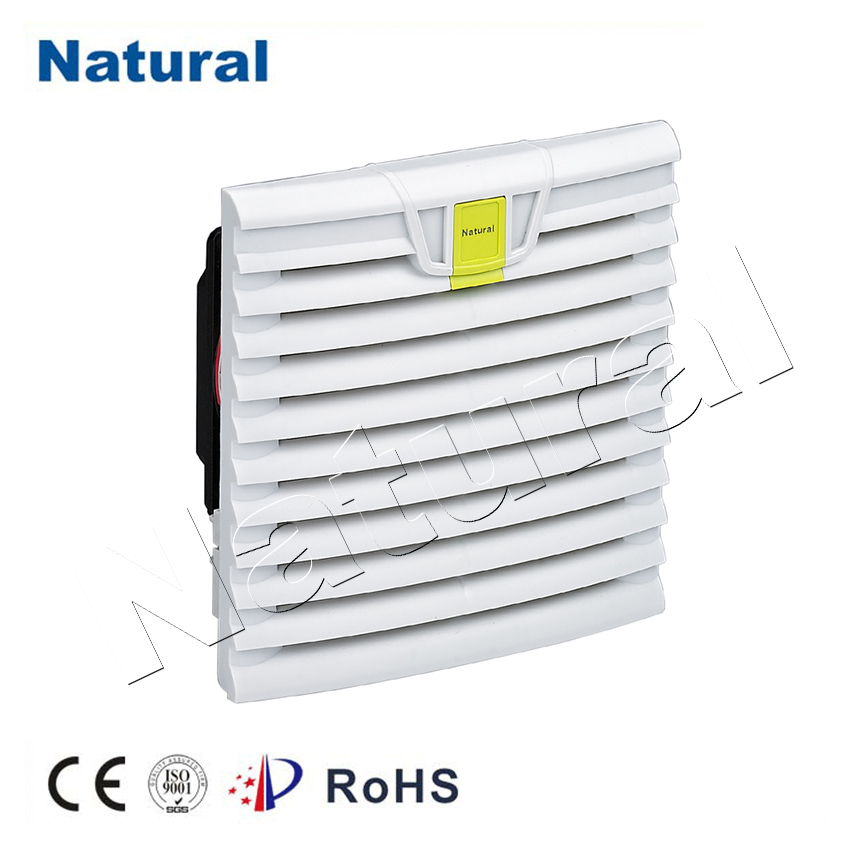
How Air Filter Fans Work
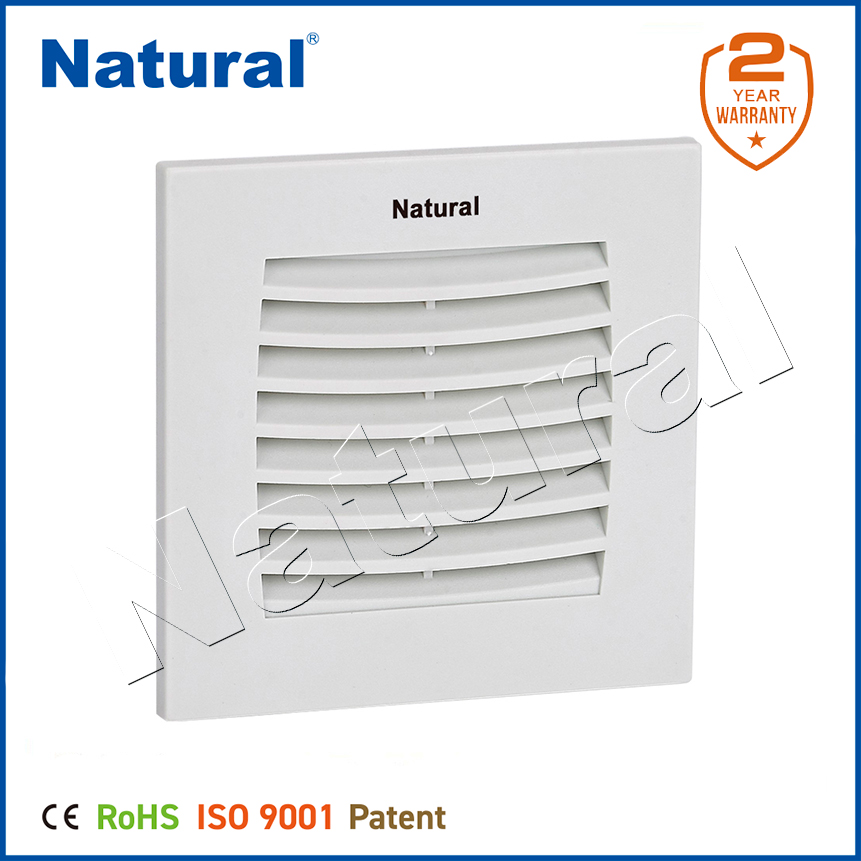
At its core, an air filter fan functions like a regular fan that circulates air throughout a room. However, the difference lies in the integrated filtration system that removes airborne contaminants. Most air filter fans use high-efficiency particulate air (HEPA) filters, which are designed to capture tiny particles, including dust mites, pollen, pet dander, and even certain bacteria and viruses. Some models also include activated carbon filters, which absorb odors and gases, such as smoke or volatile organic compounds (VOCs) commonly found in household products. When the fan operates, it pulls in air from the room, passes it through the filter, and then releases purified air back into the environment. The filtration process ensures that even the smallest particles are removed, making the air cleaner and more breathable. In addition, some advanced air filter fans come with additional features such as air quality sensors, real-time air quality indicators, and automatic speed adjustments based on the level of pollutants detected.