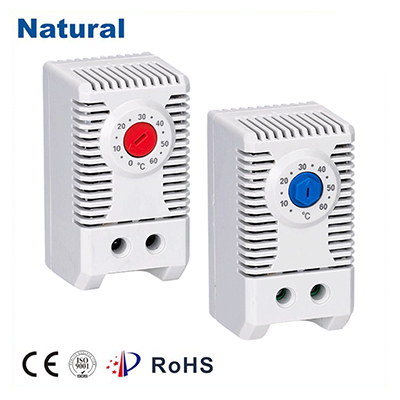
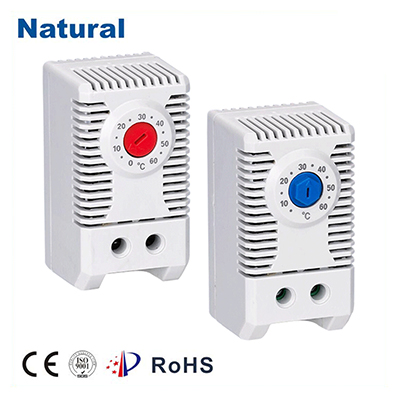
Automatic temperature control thermostats are essential components in various modern systems, from household heating and cooling units to industrial applications. These devices automatically regulate the temperature of a space or a system, maintaining a comfortable or desired temperature without the need for constant manual adjustments. With advances in technology, automatic temperature control thermostats have evolved into highly efficient, precise, and even intelligent devices that provide numerous benefits, including energy savings, enhanced comfort, and system longevity. This article delves into the workings, applications, types, and advantages of automatic temperature control thermostats.
Working Principle
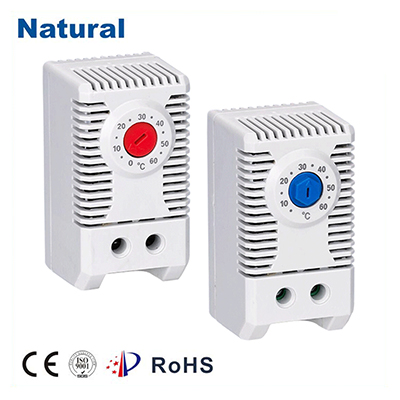
At the core of an automatic temperature control thermostat lies a simple yet effective principle: temperature regulation. A thermostat uses a temperature sensor, such as a thermistor or a thermocouple, to detect the ambient temperature in the environment. Once the temperature deviates from the setpoint, the thermostat sends a signal to activate or deactivate the heating, cooling, or other relevant systems to bring the temperature back in line with the desired setting. In a heating system, for example, if the room temperature drops below the preset level, the thermostat signals the furnace or heating system to turn on. Conversely, if the temperature exceeds the preset level, the thermostat will activate a cooling system, such as an air conditioner. This self-regulating feedback loop ensures that the environment remains within the optimal temperature range with minimal human intervention.
Leave a Reply