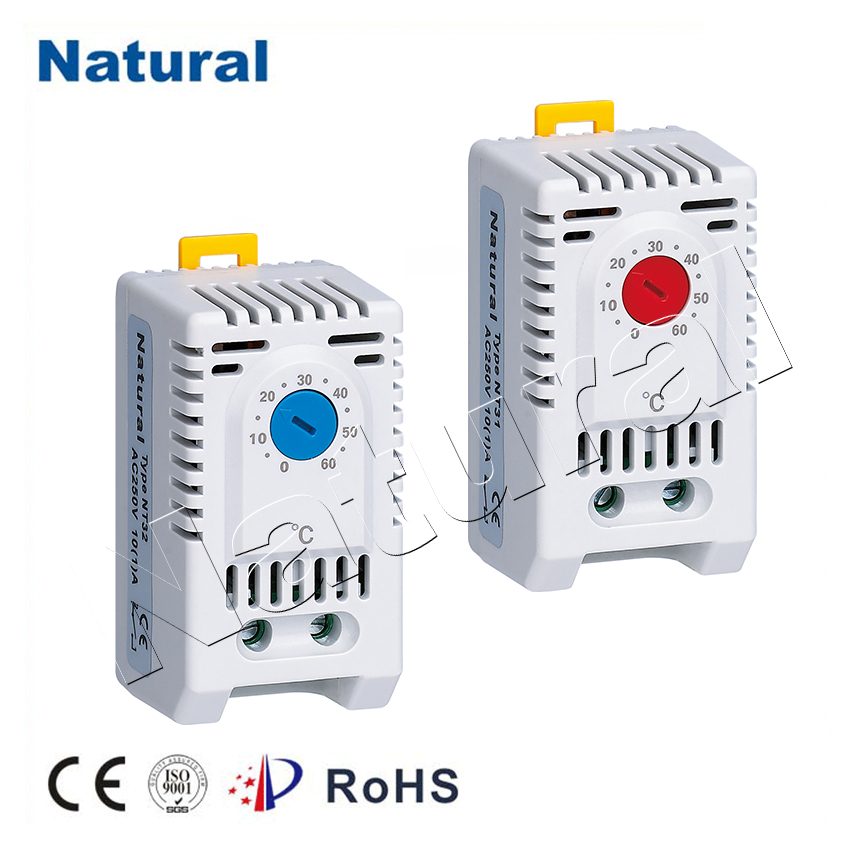
In today’s rapidly advancing technological landscape, efficient management of electrical systems is a critical consideration for both industrial and residential applications. One of the key components that ensure proper regulation of temperature in electrical systems is the thermostat. Among the various types available, DIN rail thermostats have gained significant popularity due to their versatile design, ease of installation, and reliability. This article will delve into the role, benefits, and applications of DIN rail thermostats, emphasizing their importance in contemporary electrical systems.
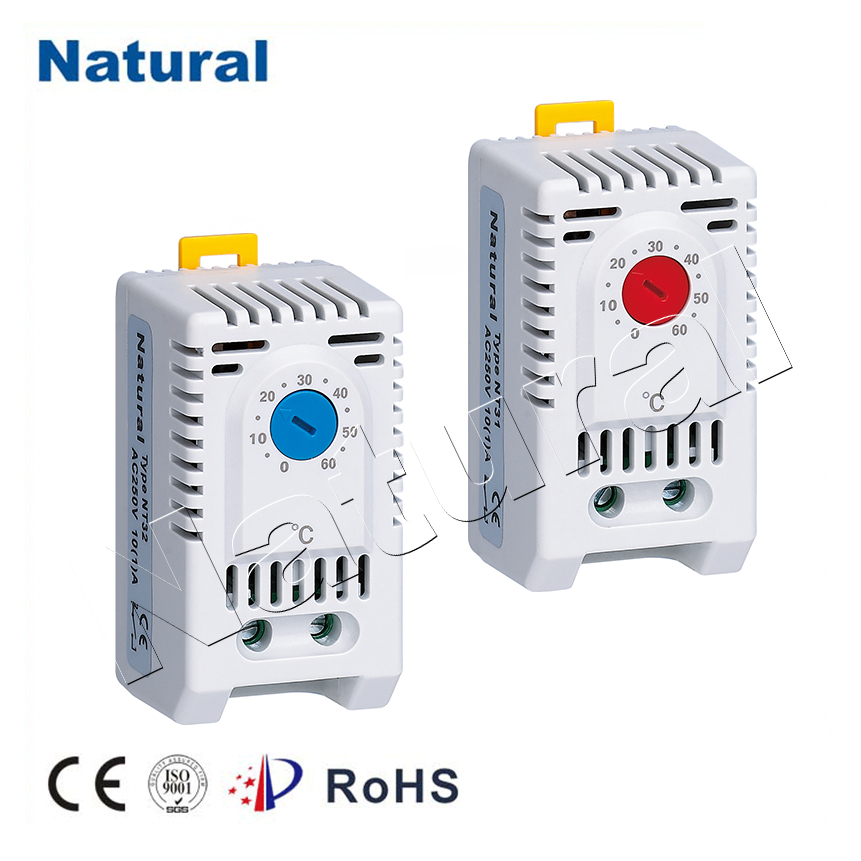
What is a DIN Rail Thermostat?
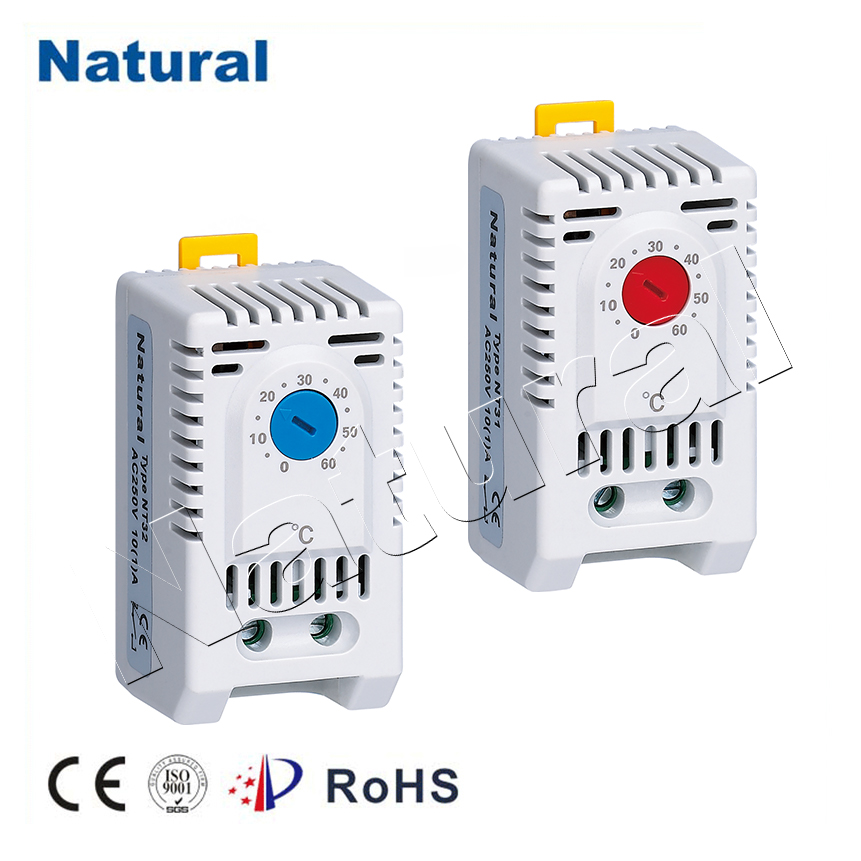
A DIN rail thermostat is a type of temperature control device that is designed to mount directly onto a DIN rail, a standardized metal rail used to secure electrical components within electrical enclosures. The DIN rail system is widely adopted in industrial and commercial electrical setups due to its modular and space-saving design, making it easier to install and replace components. DIN rail thermostats function similarly to traditional thermostats, sensing the temperature of an environment and activating or deactivating electrical circuits based on predetermined temperature settings. These thermostats play a crucial role in maintaining operational efficiency by preventing overheating or overcooling of electrical systems, ensuring that machinery and equipment run within optimal temperature ranges.