A Safety Isolated Relay is a critical component in modern industrial automation and control systems, designed to ensure the safety of electrical circuits while protecting sensitive devices from electrical faults. These relays play a pivotal role in environments where high voltages, electrical surges, or system failures could pose risks to equipment or personnel. By providing electrical isolation between the control and load circuits, Safety Isolated Relays safeguard the integrity of the system and contribute to the overall safety of industrial processes.
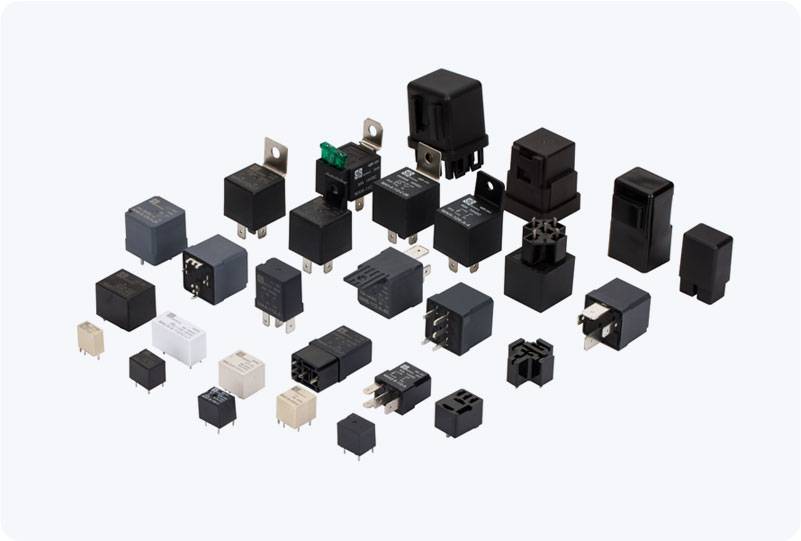
What is a Safety Isolated Relay? A Safety Isolated Relay combines the standard functionality of a relay — to switch electrical circuits on or off — with an essential feature: electrical isolation between the input and output sides of the relay. This means that any electrical disturbances or faults that occur on the output side, such as overvoltage or short circuits, do not affect the control side, ensuring the protection of control systems and personnel. The electrical isolation typically uses components such as optocouplers or transformers to achieve a galvanic separation. This ensures that there is no direct electrical connection between the control side and the load side, allowing the relay to function in safety-critical applications, such as emergency stop systems or fault detection circuits.