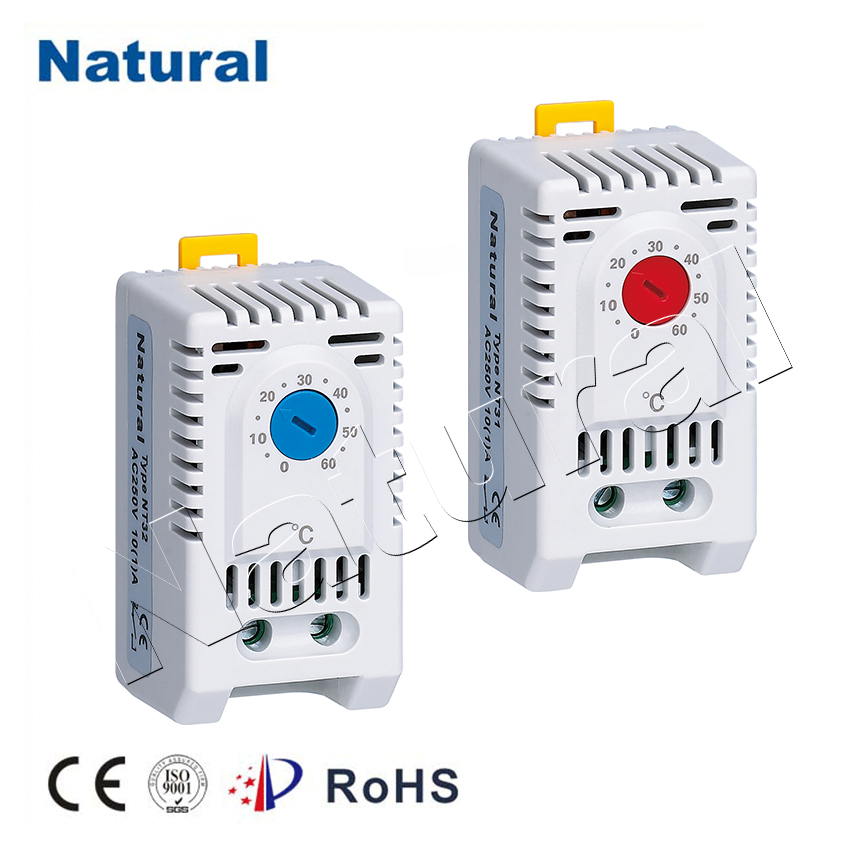
A DIN rail thermostat is a versatile and essential component in modern industrial and building automation systems. These devices are specifically designed to control temperature within electrical control panels, industrial machinery, HVAC systems, and more. Their ability to regulate temperature with precision and protect sensitive equipment from overheating or freezing makes them indispensable for various industrial and commercial applications. This article delves into the working principle, features, and key applications of DIN rail thermostats, shedding light on their role in enhancing system efficiency and safety.
What is a DIN Rail Thermostat?
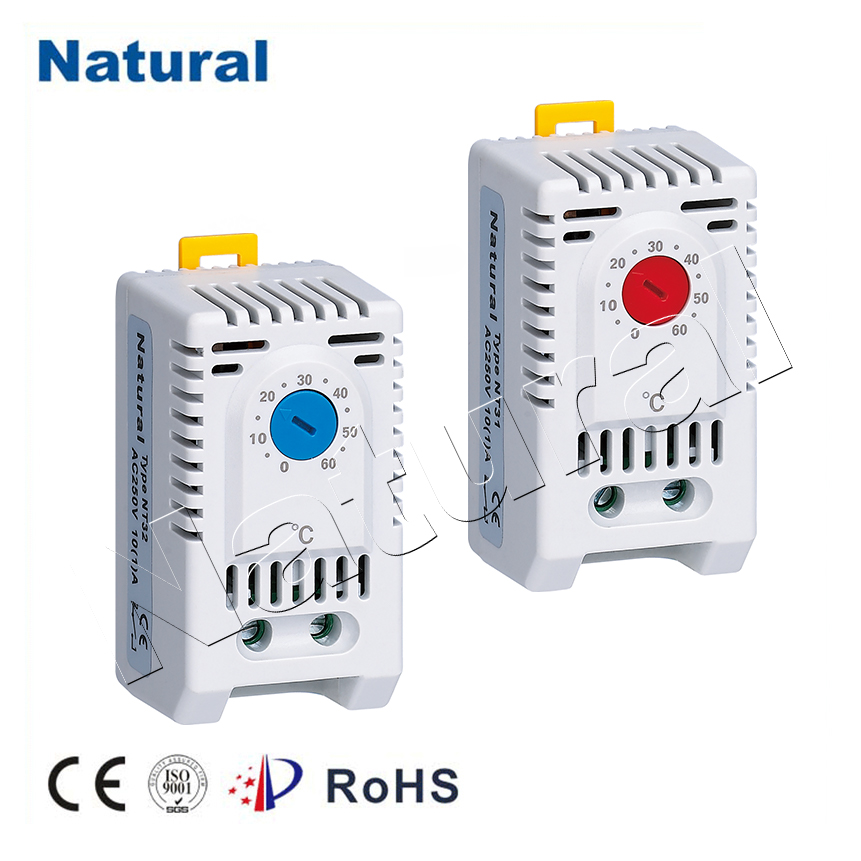
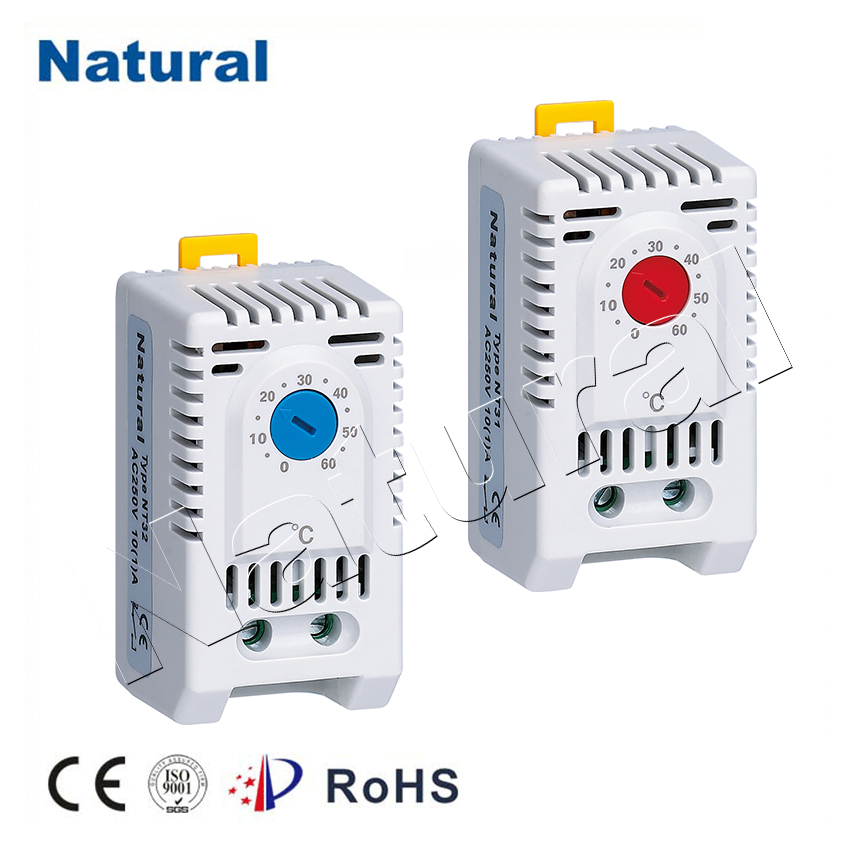
A DIN rail thermostat is a temperature-sensitive control device that is mounted on a DIN rail, a standardized metal track used to securely install electrical equipment in control panels. The DIN rail standard (EN 60715) provides a uniform system for installing various electrical components, such as circuit breakers, relays, and thermostats, in a way that is organized, secure, and easily accessible for maintenance and inspection. DIN rail thermostats are used to monitor and control the temperature of machinery, systems, and environments within the limits of the desired operational range. These thermostats can activate or deactivate heating or cooling systems when a predefined temperature threshold is reached, ensuring that processes run within safe and optimal temperature ranges.