AC solenoid valves are integral components used in various industrial applications, where the control of fluid flow is essential. These valves, driven by alternating current (AC) through an electromagnetic coil, offer precise control in systems that require automatic operation. From industrial machines to everyday household appliances, AC solenoid valves play a critical role in maintaining efficiency, safety, and reliability.
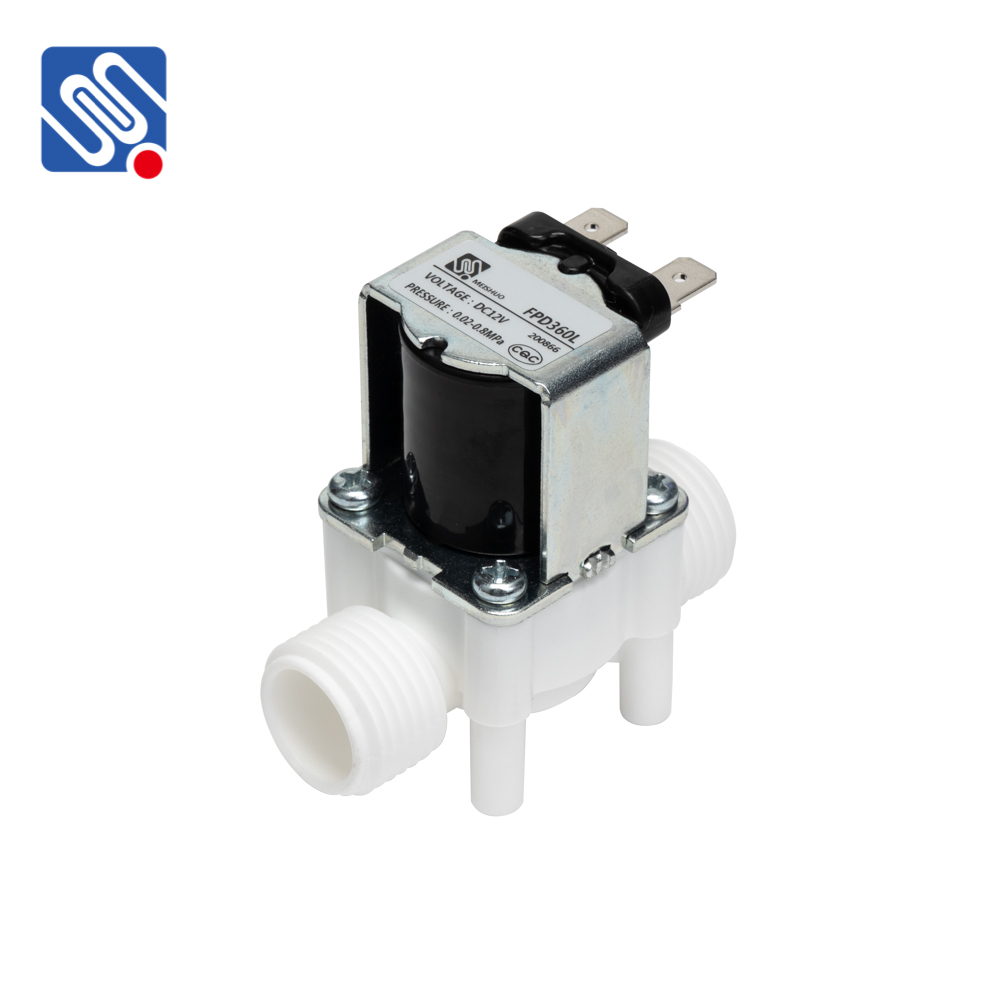
What is an AC Solenoid Valve? An AC solenoid valve is an electromechanical device that uses a solenoid, or an electromagnet, to control the opening and closing of a valve. The primary function of these valves is to regulate the flow of gases, liquids, or steam through a system. When an electrical current passes through the solenoid coil, it generates a magnetic field that pulls or pushes a plunger or valve seat, thus opening or closing the valve. This process happens very quickly, allowing for the precise control of fluid movement. The term “AC” refers to the alternating current that powers the solenoid coil. Unlike DC (direct current) solenoid valves, which are powered by a constant flow of electricity, AC solenoid valves are typically used where the power supply is alternating in nature. This type of valve can handle larger voltages and is often more durable, making it ideal for applications that require high power or are subjected to harsh conditions.