In industrial environments, ensuring the safety of workers is of utmost importance. One of the most crucial aspects of this is the proper isolation and control of hazardous energy during maintenance, repair, or servicing of equipment. A key component of this safety strategy is the Safety Padlock application, which plays a critical role in preventing accidents and injuries caused by the unexpected release of energy. In this article, we will explore the concept of Safety Padlock applications, their importance, and their applications in industrial safety management.
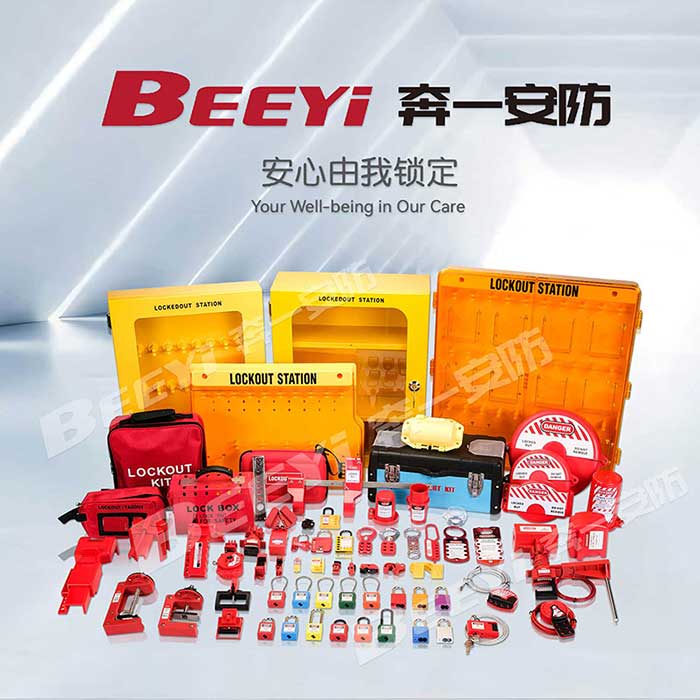
What is a Safety Padlock? A Safety Padlock is a type of lock designed specifically for use in Lockout-Tagout (LOTO) procedures, a safety protocol used to prevent the accidental release of hazardous energy during maintenance and repair activities. These padlocks are typically used to secure equipment in an “off” or “isolated” state, ensuring that no one can accidentally turn it back on while a worker is performing repairs. Safety Padlocks are usually marked with the worker’s name and the reason for the lockout, and they are often accompanied by a warning tag, which provides further details about the lockout process.