As the world increasingly seeks sustainable solutions to combat climate change and reduce reliance on fossil fuels, hydrogen energy has emerged as a promising alternative. Among its various applications, hydrogen energy damper actuators are gaining attention for their potential to enhance motion control systems in numerous industries. This article explores the principles, advantages, and future prospects of hydrogen energy damper actuators, shedding light on how this technology can revolutionize various sectors.
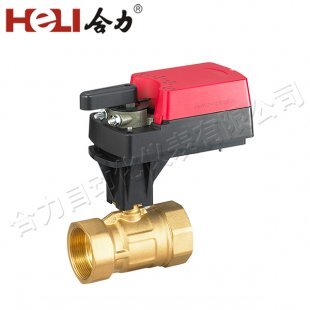
Understanding Hydrogen Energy Damper Actuators

A hydrogen energy damper actuator combines the principles of damper systems and hydrogen energy technology. Dampers are mechanical devices designed to absorb and dissipate energy, often used in applications like vehicle suspension systems, seismic protection systems in buildings, and industrial machinery. An actuator, on the other hand, is a component of a machine that is responsible for moving or controlling a mechanism or system. Hydrogen energy damper actuators operate by utilizing hydrogen as a power source to create motion or apply force in a controlled manner. These actuators typically consist of a hydrogen storage system, a fuel cell, and a mechanical damper. The hydrogen is stored in tanks and, when needed, is fed into the fuel cell, which converts the chemical energy of hydrogen into electrical energy. This electricity then powers the actuator to perform its intended motion control function.
