Introduction
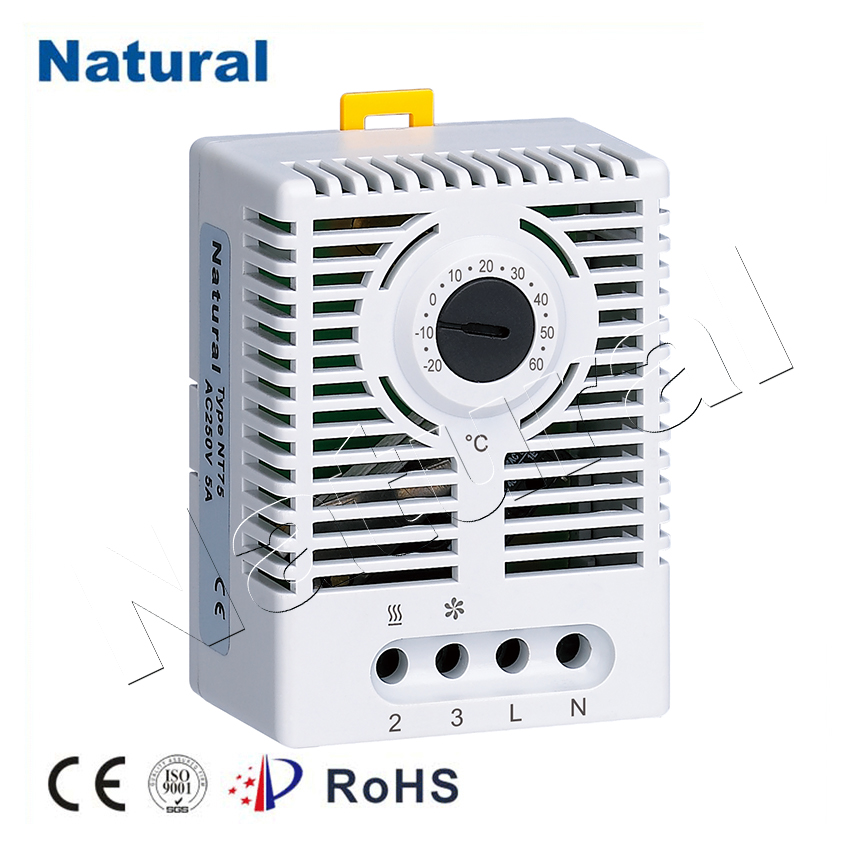
In the realm of heating, ventilation, and air conditioning (HVAC) systems, a crucial component known as a thermostat plays a pivotal role in maintaining optimal temperatures. Among the various types of thermostats available, the “normally open” thermostat stands out for its unique functionality and benefits. This article delves into the concept, operation, and advantages of a normally open thermostat. Understanding the Normally Open Thermostat A normally open thermostat, often referred to as NO thermostat, operates in a manner that distinguishes it from its counterparts. Unlike a normally closed thermostat that remains in a closed state, blocking the flow of current until a certain temperature is reached, a normally open thermostat follows an opposite principle. It maintains an open circuit under normal conditions, allowing the current to flow uninterrupted. Operation and Mechanism The mechanism behind a normally open thermostat is ingeniously simple. It comprises a bimetallic strip, a crucial element responsible for the thermostat’s responsive behavior. This strip consists of two different metals with varying coefficients of thermal expansion, bonded together. As the temperature rises, the metals expand at different rates, causing the strip to bend. This bending action triggers the opening of the electrical circuit, thus interrupting the flow of current. When the ambient temperature drops, the bimetallic strip contracts, and its original shape is restored, consequently closing the circuit and allowing the current to flow once again. This continuous cycle ensures that the HVAC system operates efficiently, maintaining the desired temperature range. Benefits of a Normally Open Thermostat Safety:One of the prominent advantages of a normally open thermostat is its inherent safety feature. In the event of a power failure or malfunction, the circuit remains open, preventing the system from running indefinitely. This characteristic reduces the risk of overheating or other potential hazards, contributing to a safer living or working environment. Energy Efficiency:The normally open thermostat’s operation is inherently energy-efficient. By interrupting the current flow when the desired temperature is reached, it prevents unnecessary heating, cooling, or energy consumption. This efficiency not only conserves energy but also leads to cost savings over time. Longevity of HVAC Equipment:The controlled operation of a normally open thermostat puts less strain on HVAC equipment. By preventing constant cycling on and off, the equipment experiences reduced wear and tear, resulting in an extended lifespan. Accurate Temperature Control:The responsiveness of the bimetallic strip ensures accurate temperature control. The thermostat can quickly detect temperature changes and adjust the system accordingly, providing a consistent and comfortable indoor environment. Compatibility:Normally open thermostats can be seamlessly integrated into a variety of HVAC systems, making them a versatile choice for both residential and commercial applications. Conclusion In the realm of thermostat technology, the normally open thermostat shines as a reliable and efficient solution for temperature control. Its innovative design, safety features, energy efficiency, and compatibility make it a valuable component in modern HVAC systems. By understanding its operation and benefits, consumers and HVAC professionals alike can make informed decisions when selecting the appropriate thermostat for their needs. Whether for home comfort or commercial applications, the normally open thermostat stands as a testament to the ingenuity and advancement of HVAC technology.