In our rapidly advancing technological era, even the simplest aspects of our daily lives are becoming smarter and more efficient. One such innovation is the heating thermostat, a small yet powerful device that has undergone a remarkable transformation over the years. From its humble beginnings as a basic temperature controller to its current state as a sophisticated home automation tool, the heating thermostat has played a significant role in enhancing our comfort and energy efficiency.
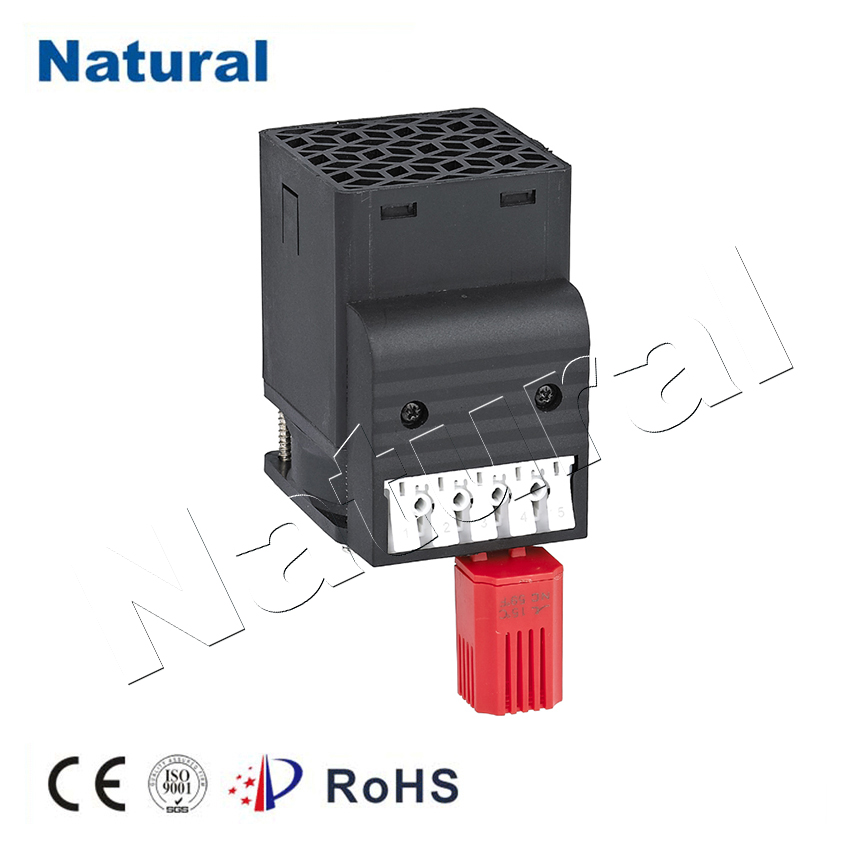
The Genesis of Heating Thermostats The concept of controlling indoor temperatures dates back centuries, with early methods involving manual adjustments to stoke fires or open windows. However, it wasn’t until the 19th century that the first rudimentary thermostat emerged. In 1830, Scottish chemist Andrew Ure introduced a bi-metallic thermostat that relied on the expansion and contraction of two different metals to regulate temperature. The Thermostat’s Evolution The evolution of the heating thermostat gained momentum in the 20th century, driven by advancements in technology and the growing demand for more convenient and energy-efficient solutions. In the 1880s, Warren S. Johnson patented the first electric room thermostat, a significant step towards automation. This paved the way for the electromechanical thermostats that became common in households during the mid-20th century. However, it was the digital revolution that truly transformed the heating thermostat. The 1980s witnessed the emergence of programmable thermostats, allowing users to set heating schedules in advance. This innovation marked a substantial leap in energy efficiency by enabling homeowners to adjust temperatures based on occupancy and sleep patterns. As technology continued to advance, these devices became more user-friendly, with intuitive interfaces and simplified programming. The Rise of Smart Thermostats The 21st century ushered in a new era of thermostat technology: the smart thermostat. Leveraging the power of the internet and wireless connectivity, smart thermostats offer unprecedented control and energy management. These devices can be remotely controlled through smartphone apps, enabling homeowners to adjust temperatures even when they are away from home. One of the pioneering smart thermostats, the Nest Learning Thermostat, introduced in 2011, revolutionized the market. It employed artificial intelligence algorithms to learn users’ preferences and adjust settings accordingly. This learning capability, coupled with sensors that detect occupancy and adapt heating patterns, led to substantial energy savings. Other companies quickly followed suit, offering their own versions of intelligent, connected thermostats. Benefits of Modern Thermostats The benefits of modern heating thermostats are far-reaching. Energy efficiency remains a key advantage, as these devices can significantly reduce heating costs by optimizing temperature settings based on usage patterns. Moreover, their remote control features provide unparalleled convenience and flexibility, allowing users to warm up their homes before they even step through the door. Smart thermostats also contribute to environmental sustainability. By reducing energy consumption, they help lower greenhouse gas emissions and combat climate change. Many models even provide users with energy usage reports, fostering awareness and encouraging eco-friendly habits. Challenges and Future Prospects While heating thermostats have come a long way, challenges remain. The initial cost of smart thermostats can be a deterrent for some, although the potential long-term savings often outweigh the investment. Additionally, ensuring data security and privacy in connected devices is an ongoing concern that manufacturers must address. Looking ahead, the future of heating thermostats appears promising. Continued advancements in artificial intelligence, machine learning, and sensor technology will likely lead to even more intelligent and intuitive devices. Integration with smart home ecosystems could also become more seamless, allowing thermostats to collaborate with other devices for enhanced automation and comfort. Conclusion From the simple bi-metallic strip to the sophisticated smart thermostat, the journey of heating temperature control has been remarkable. The heating thermostat’s evolution has been marked by leaps in technology, each step enhancing our comfort, convenience, and energy efficiency. As we move forward, these devices will play an increasingly vital role in creating sustainable, comfortable homes for generations to come.