In the realm of modern living, where convenience and energy efficiency are paramount, the control panel thermostat stands as a silent hero. This unassuming device plays a pivotal role in regulating indoor temperature, ensuring comfort, and optimizing energy consumption. Over the years, control panel thermostats have evolved from simple mechanical dials to smart, programmable devices that offer unparalleled convenience and cost savings.
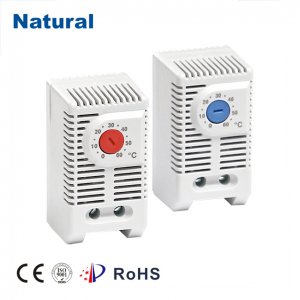
The Birth of Control Panel Thermostats The journey of control panel thermostats began with rudimentary bi-metallic strip mechanisms in the late 19th century. These early thermostats relied on the expansion and contraction of metal strips in response to temperature changes, triggering the heating or cooling system to maintain a desired temperature. While functional, they lacked precision and required manual adjustments. Enter Programmable Thermostats The advent of digital technology in the latter half of the 20th century revolutionized the world of thermostats. Programmable thermostats emerged, allowing users to set temperature schedules for different times of the day. This innovation not only provided enhanced comfort by automatically adjusting temperatures to suit occupants’ routines but also introduced energy-saving potential by reducing heating or cooling when not needed. The Smart Thermostat Revolution In recent years, the integration of the Internet of Things (IoT) has brought about the era of smart thermostats. These intelligent devices take control and efficiency to new heights. Smart thermostats, such as the Nest Learning Thermostat and Ecobee SmartThermostat, combine advanced sensors, machine learning algorithms, and user-friendly interfaces to create a seamless and automated experience. Features and Benefits of Smart Thermostats Remote Accessibility: Smart thermostats can be controlled remotely through smartphone apps, allowing users to adjust settings even when they’re away from home. This feature not only offers convenience but also enables users to optimize energy usage based on real-time needs. Learning Capabilities: Some smart thermostats learn from user behaviors and adjust settings accordingly. They can adapt to occupancy patterns and weather forecasts, ensuring the perfect temperature while minimizing energy waste. Energy Reports: Smart thermostats provide detailed energy usage reports, empowering users with insights to make informed decisions about their consumption habits. This feature encourages more conscious energy use. Integration with Smart Home Systems: Smart thermostats can be integrated into broader smart home ecosystems, allowing for seamless coordination with other devices like smart lighting and home security systems. This synergy further enhances energy efficiency and convenience. Voice Control: Many smart thermostats are compatible with voice assistants like Amazon Alexa and Google Assistant. This hands-free control simplifies interactions and adds an extra layer of convenience. Looking Ahead: Sustainability and Beyond As environmental concerns take center stage, control panel thermostats are also evolving to contribute to sustainability efforts. Manufacturers are incorporating eco-friendly materials and focusing on energy efficiency not only in the functionality of the device but also in its production and lifecycle. The future holds even more exciting possibilities. As technology advances, we may see thermostats that can analyze indoor air quality, offer personalized comfort zones, and interact intelligently with utility pricing structures to further optimize energy consumption. Conclusion From the early days of bi-metallic strips to the dawn of smart thermostats, the control panel thermostat has come a long way. Its evolution has brought unparalleled comfort, energy savings, and convenience to modern households. As we continue to prioritize sustainability and technological innovation, the thermostat’s journey is far from over. It will remain an essential component of our homes, continually adapting to enhance our lives and minimize our environmental impact.