In today’s fast-paced world, the integration of technology into our daily lives has reached unprecedented levels, transforming even the most fundamental aspects of our surroundings. One such innovation that has significantly improved our living conditions is the thermostat—a humble device that has evolved over time to become a crucial element in modern comfort control.
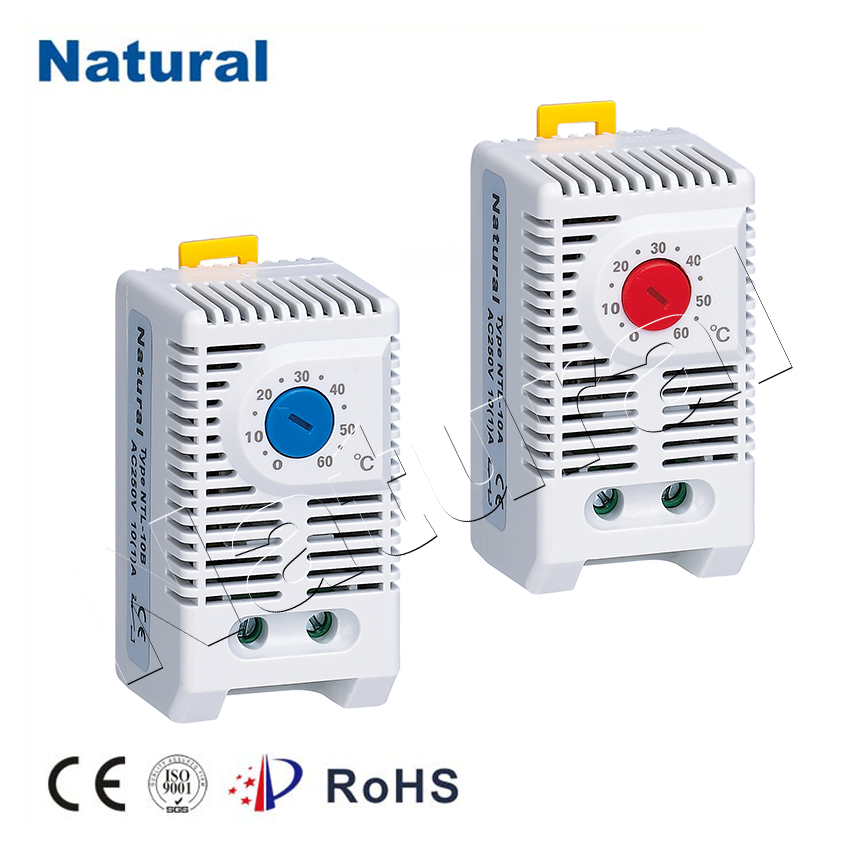
The Genesis of Thermostats: A Historical Overview The concept of temperature regulation dates back to ancient times when people relied on simple methods like opening windows or stoking fires to adjust the indoor climate. However, the birth of the modern thermostat can be traced back to the early 17th century when Cornelis Drebbel, a Dutch inventor, created the mercury thermostat. This ingenious device utilized the expansion and contraction of mercury to control a damper and maintain a consistent temperature. The Digital Revolution: Thermostats in the 20th Century The 20th century marked a significant turning point for thermostats with the advent of digital technology. Traditional mercury thermostats gave way to programmable models that allowed users to set specific temperature schedules. These early programmable thermostats provided a level of convenience and energy savings, but they were often complex to program and required manual adjustments to accommodate changes in daily routines. Smart Thermostats: Bridging Comfort and Connectivity The true revolution in thermostat technology came with the rise of smart thermostats in the 21st century. These devices, often equipped with Wi-Fi connectivity and artificial intelligence, have transformed the way we interact with and control our living environments. A prime example is the Nest Learning Thermostat, introduced in 2011, which gained recognition for its ability to learn users’ preferences and create automatic temperature schedules, thus optimizing energy consumption and reducing utility costs. Features and Benefits of Smart Thermostats Smart thermostats have redefined the way we experience comfort and energy efficiency. They offer a multitude of features, such as remote control via smartphone apps, voice-activated controls through virtual assistants, and compatibility with home automation systems. These advancements enable users to adjust their home’s temperature even when they’re away, ensuring a welcoming environment upon their return. Furthermore, smart thermostats contribute significantly to energy conservation. By learning your daily routines and adjusting the temperature accordingly, they help minimize energy wastage, resulting in reduced carbon footprints and lower energy bills. Some models also provide detailed energy usage reports, empowering users to make informed decisions about their consumption patterns. Challenges and Considerations While smart thermostats offer numerous benefits, they are not without challenges. Privacy concerns arise due to the data collected about users’ habits and schedules. Ensuring the security of this data is crucial to prevent unauthorized access and potential breaches. Additionally, not all households may have stable internet connectivity, limiting the effectiveness of remote control features. The Future of Thermostats: Sustainability and Integration Looking ahead, the evolution of thermostats continues with a focus on sustainability and integration into broader home automation systems. As environmental consciousness grows, thermostats are becoming more sophisticated in their ability to optimize energy usage. Some models can even connect with renewable energy sources, such as solar panels, to further reduce reliance on non-renewable resources. Moreover, as smart homes become more prevalent, thermostats are being integrated into broader home automation ecosystems. This integration enables seamless coordination between various devices, such as heating, cooling, lighting, and security systems, creating a holistic and responsive living environment. Conclusion From humble beginnings as a mercury-filled tube to the advanced smart devices of today, thermostats have come a long way in enhancing our comfort, convenience, and energy efficiency. The integration of technology and artificial intelligence has transformed the way we interact with our living spaces, ushering in an era of personalized and sustainable comfort control. As the journey of thermostat evolution continues, we can look forward to even greater innovations that will shape the future of how we experience comfort in our homes.