Introduction
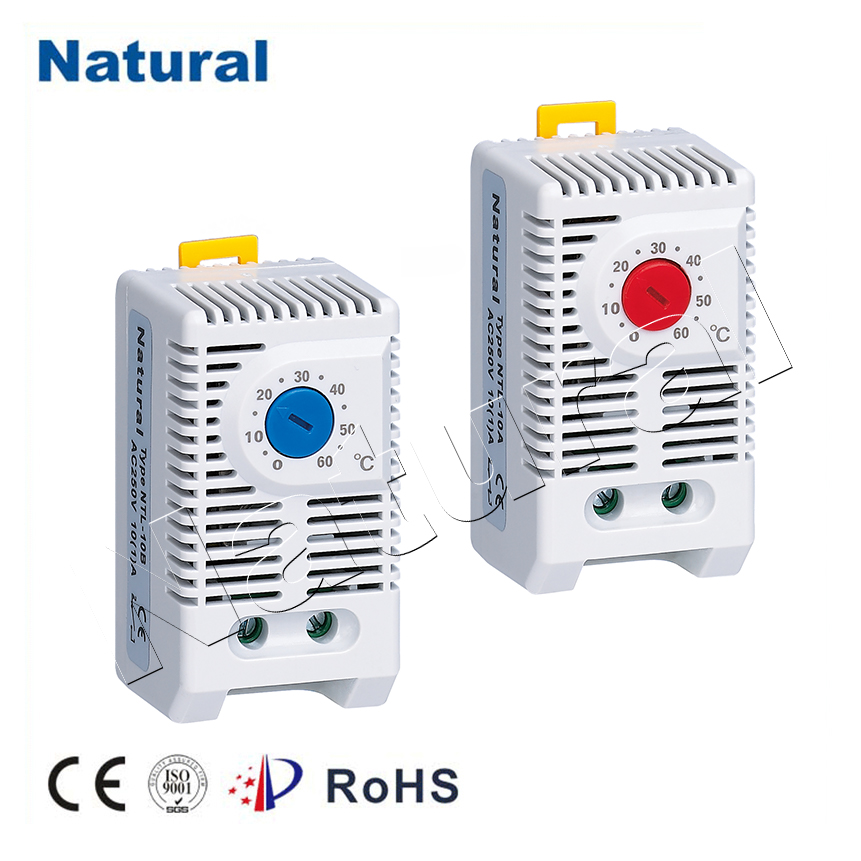
In today’s fast-paced world, where comfort and energy efficiency hold paramount importance, the humble thermostat emerges as a silent hero. This unassuming device plays a crucial role in regulating temperatures, ensuring our environments remain cozy while also contributing to energy conservation. Over the years, thermostats have undergone remarkable transformations, evolving from basic manual controllers to smart and interconnected devices that revolutionize the way we manage our indoor climate. The Evolution of Thermostats The history of thermostats dates back to ancient times when people used primitive methods to control indoor temperatures. However, the concept truly took off during the industrial revolution with the invention of bi-metallic thermostats, which employed strips of two different metals with different expansion rates. As temperature changed, these strips would bend, activating mechanical systems to adjust heating or cooling. With the advent of electricity, electromechanical thermostats gained popularity in the mid-20th century. These thermostats incorporated electrical circuits to regulate temperatures, bringing a higher level of precision to temperature control. The 1970s witnessed the introduction of digital thermostats, a significant leap forward, as they provided more accurate readings and allowed users to set specific temperature targets. The Rise of Smart Thermostats In recent years, the emergence of the Internet of Things (IoT) has ushered in a new era of thermostats – the era of smart thermostats. These devices are equipped with advanced sensors, Wi-Fi connectivity, and intelligent algorithms, enabling remote control and automation through smartphones and other connected devices. Smart thermostats can learn from user preferences and adjust settings automatically, optimizing comfort while minimizing energy consumption. Benefits and Energy Efficiency Thermostats, especially smart variants, offer a plethora of benefits. One of the most significant advantages is energy efficiency. Traditional thermostats required manual adjustments, often leading to excessive heating or cooling and unnecessary energy consumption. Smart thermostats, on the other hand, can learn from user behavior and adjust temperatures accordingly, resulting in energy savings of up to 20% according to studies conducted by the U.S. Environmental Protection Agency (EPA). Additionally, smart thermostats contribute to eco-friendliness by reducing carbon footprints. The ability to schedule heating and cooling based on occupancy patterns ensures that energy is not wasted on empty spaces, aligning with the global push towards sustainable living. User Convenience and Comfort Beyond energy efficiency, thermostats enhance user convenience and comfort. Imagine being able to adjust your home’s temperature before even stepping inside, or setting a comfortable sleeping temperature that automatically activates at bedtime. These features not only improve daily comfort but also save time and effort. Moreover, smart thermostats offer a level of customization that was previously unimaginable. They can adapt to individual preferences, making micro-adjustments that cater to personal comfort levels throughout the day. Challenges and Considerations While smart thermostats offer numerous benefits, challenges exist as well. Privacy concerns arise due to the data collected by these devices, raising questions about who has access to this information and how it is used. Additionally, the initial cost of purchasing and installing smart thermostats can be a deterrent for some individuals, even though the long-term energy savings often outweigh the upfront investment. Conclusion From their humble beginnings as rudimentary temperature regulators, thermostats have come a long way. The evolution of technology has transformed them into intelligent companions that contribute to energy conservation, user comfort, and convenience. Smart thermostats, in particular, stand as a testament to human ingenuity, blending innovation with sustainability to create a more efficient and comfortable world. As we continue to strive for a greener future, the thermostat’s journey reminds us that even the smallest devices can make a significant impact.