In the realm of modern convenience and energy efficiency, the thermostat stands as an unsung hero. This unassuming device, often overlooked, has revolutionized the way we control our indoor environments, optimizing comfort and conserving energy. From its humble beginnings to its technologically advanced iterations, the thermostat’s journey is a testament to human ingenuity and its impact on sustainability.
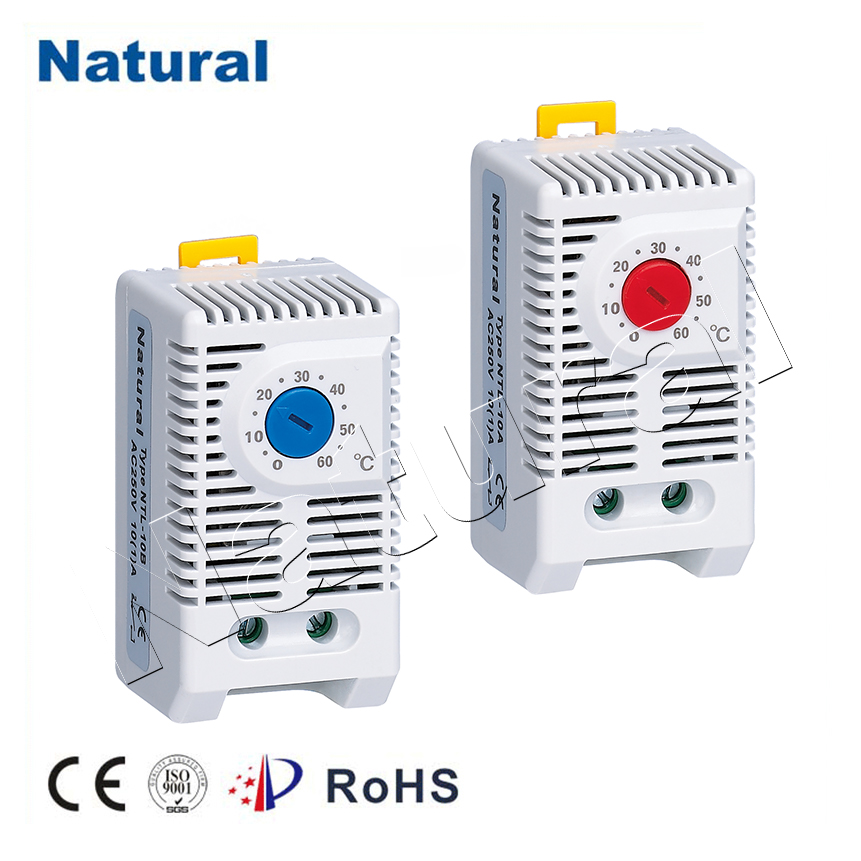
A Brief Historical Perspective The concept of regulating indoor temperatures dates back to ancient times when people relied on manual methods such as adjusting windows, using fireplaces, and employing various building materials to control their surroundings. The term “thermostat” itself was coined in the 17th century, but it wasn’t until the late 19th century that the first practical thermostat was patented by Warren S. Johnson. This early version used a bimetallic strip to control the opening and closing of a circuit, allowing temperature adjustments. The Birth of Modern Comfort As the 20th century progressed, thermostats evolved alongside technological advancements. The invention of the electronic thermostat in the 1950s introduced greater accuracy and ease of use. This paved the way for programmable thermostats in the 1970s, which allowed users to pre-set temperature changes throughout the day. Suddenly, the act of manually adjusting the thermostat became a thing of the past, and energy conservation took a giant leap forward. Smart Thermostats: A Technological Leap The advent of the 21st century brought about a new era of thermostats – the smart thermostat. These devices combine cutting-edge technology with user-friendly interfaces, granting homeowners unprecedented control over their indoor environments. Through smartphone apps and Wi-Fi connectivity, users can adjust their thermostats remotely, ensuring optimal comfort and energy efficiency. Moreover, smart thermostats utilize machine learning algorithms to learn occupants’ preferences and behaviors, automatically adjusting settings to suit their lifestyles. Benefits and Impact The impact of thermostats, particularly smart thermostats, on energy conservation cannot be overstated. According to the U.S. Department of Energy, using a programmable thermostat to set back temperatures while you’re away or sleeping can save you about 10% on your heating and cooling bills. Smart thermostats take this a step further by continuously adapting to your routine, learning when to adjust temperatures for maximum comfort without wasteful energy consumption. Furthermore, the rise of smart grids and demand-response programs has allowed utilities to collaborate with homeowners to manage energy consumption during peak demand periods. Smart thermostats play a pivotal role in these initiatives by allowing remote control of thermostats on a large scale, contributing to grid stability and reducing the risk of blackouts. Challenges and Future Outlook While the benefits are substantial, challenges remain. The cost of smart thermostats can be a barrier to adoption for some households. Additionally, concerns about data privacy and security have emerged, as these devices collect and transmit data about users’ behaviors and preferences. Looking ahead, the thermostat’s journey is far from over. The integration of artificial intelligence, predictive algorithms, and advanced sensors promises even more sophisticated and energy-efficient solutions. As our understanding of climate change and energy conservation deepens, the thermostat will continue to be an essential tool in our efforts to create a sustainable future. Conclusion From its humble beginnings as a manually operated device to its current status as a sophisticated smart tool, the thermostat has evolved to meet the needs of modern society. Its role in optimizing comfort and conserving energy cannot be overstated. As technology continues to advance, the thermostat’s journey will undoubtedly persist, making it an integral part of our ongoing quest for a more sustainable and comfortable world.