In the realm of modern technology, thermostat switches play a pivotal role in regulating temperature, enhancing energy efficiency, and ensuring comfort in both residential and commercial spaces. These unassuming devices have come a long way in their evolution, revolutionizing the way we control our indoor environments.
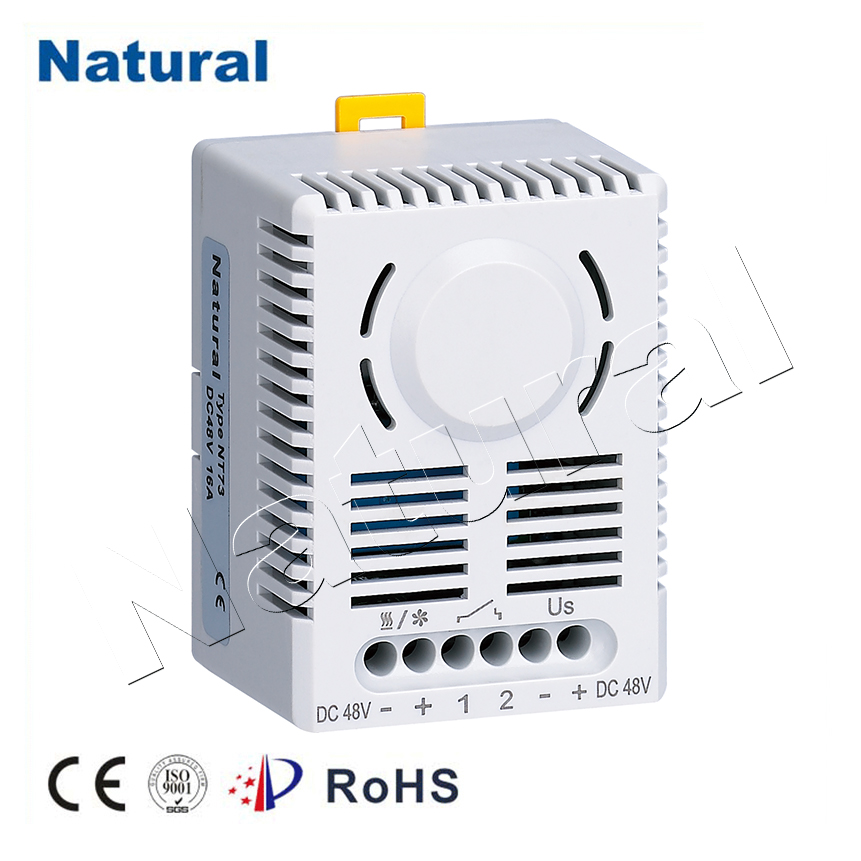
The Genesis of Thermostat Switches The concept of controlling indoor temperature dates back centuries, but it wasn’t until the late 19th century that the first thermostat was introduced. Early thermostats were simple, mechanical devices that used bimetallic strips to expand and contract with temperature changes, thereby triggering a switch to control heating or cooling systems. The Technological Leap Advancements in electronics and materials science have transformed thermostat switches into sophisticated tools. Traditional mechanical systems have been largely replaced by electronic ones, offering more accurate and responsive temperature control. Modern thermostats incorporate sensors that can detect even slight temperature fluctuations, enabling quicker and more precise adjustments to maintain the desired comfort level. Energy Efficiency and Sustainability One of the most significant contributions of thermostat switches is their role in promoting energy efficiency. Programmable thermostats allow users to set specific temperature schedules for different times of the day, reducing energy consumption when heating or cooling isn’t required. This not only saves money for users but also reduces the overall carbon footprint by conserving energy resources. The Emergence of Smart Thermostats The 21st century has witnessed the rise of smart thermostats, a remarkable fusion of technology and convenience. These devices are equipped with advanced sensors, Wi-Fi connectivity, and artificial intelligence algorithms that learn user preferences over time. With the capability to be controlled remotely via smartphones or voice assistants, smart thermostats provide unparalleled flexibility and control. The Role in HVAC Systems Thermostat switches are an integral component of heating, ventilation, and air conditioning (HVAC) systems. They serve as the brain of these systems, receiving temperature inputs from sensors and orchestrating the operation of heating and cooling equipment. Precise temperature regulation not only ensures comfort but also extends the lifespan of HVAC systems by preventing unnecessary wear and tear. Challenges and Future Trends While thermostat switches have come a long way, there are still challenges to overcome. One such challenge is the need to balance automation with user control. As automation increases, there is a risk of users losing touch with their environment’s nuances. Striking the right balance between smart automation and user preferences will be crucial in the coming years. In terms of future trends, the integration of thermostat switches into broader home automation ecosystems is expected to gain momentum. These switches will likely communicate with other smart devices, such as window blinds and lighting systems, to optimize energy usage and overall comfort. Conclusion Thermostat switches have evolved from simple mechanical devices to sophisticated, intelligent tools that shape our indoor environments with precision and efficiency. Their journey from bimetallic strips to smart sensors showcases the remarkable progress in technology and its impact on our daily lives. As we move forward, embracing these advancements while staying attuned to our individual needs will pave the way for a more comfortable, energy-efficient, and sustainable future.