Introduction
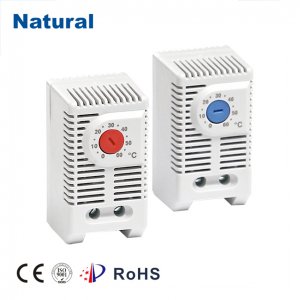
In today’s rapidly advancing world, technology has seeped into every aspect of our lives, even shaping the way we manage the temperature within our living spaces. The thermostat temperature controller, an ingenious invention, has revolutionized the way we experience comfort in our homes and workplaces. This article delves into the evolution and functionality of thermostat temperature controllers, showcasing how they have become an essential component of modern living. The Evolution of Thermostat Temperature Controllers The history of thermostat temperature controllers dates back to the 17th century when Dutch scientist Cornelis Drebbel created one of the earliest known temperature regulators. However, it was not until the 19th and 20th centuries that significant advancements were made. The bi-metallic strip thermostat, patented in the late 19th century, was a milestone that paved the way for automated temperature control. This invention utilized the principle of metals expanding and contracting at different rates in response to temperature changes. The dawn of the digital age saw the introduction of electronic thermostats in the mid-20th century, replacing mechanical components with electronic sensors and controls. This leap enabled more precise temperature regulation and paved the way for programmable thermostats. These early programmable models allowed users to set temperature schedules, adjusting heating or cooling based on occupancy patterns. Functionality of Modern Thermostat Temperature Controllers Fast forward to the present, and we find ourselves immersed in the era of smart thermostat temperature controllers. These cutting-edge devices have elevated temperature control to an entirely new level. At the heart of their functionality lies connectivity and intelligent automation. Smart thermostats are equipped with Wi-Fi capabilities, enabling remote control through smartphone apps and integration with smart home ecosystems. This connectivity empowers users to adjust temperatures from anywhere, ensuring a comfortable environment upon their return. Moreover, these thermostats often possess learning algorithms that adapt to users’ preferences and routines over time, optimizing energy consumption without sacrificing comfort. Geofencing technology is another innovation that has been integrated into modern thermostat temperature controllers. By utilizing the GPS location of users’ smartphones, geofencing allows the thermostat to detect when occupants are approaching home. This triggers the thermostat to adjust the temperature settings, ensuring the ideal comfort level upon arrival. Energy efficiency is a crucial aspect of modern thermostat design. Many smart thermostats offer energy usage reports and suggestions on how to conserve energy without compromising comfort. They can also detect when a space is unoccupied and adjust the temperature accordingly, minimizing energy wastage. The Role in Climate Control Thermostat temperature controllers play a significant role in climate control, not only for individual households but also for larger commercial buildings. Precise temperature regulation not only enhances comfort but also has a profound impact on productivity, health, and energy consumption. In commercial settings, advanced thermostat systems are integrated into HVAC (Heating, Ventilation, and Air Conditioning) systems, contributing to the optimization of indoor air quality and energy use. These systems often utilize complex algorithms to analyze various factors such as occupancy, external weather conditions, and building insulation, allowing for dynamic and efficient climate control. Conclusion From humble beginnings as bi-metallic strips to today’s smart and connected devices, thermostat temperature controllers have come a long way. They have evolved into essential tools that offer convenience, comfort, and energy efficiency. As technology continues to advance, it is fascinating to contemplate what further innovations will shape the future of thermostat temperature controllers, enhancing our quality of life and environmental sustainability.