In today’s fast-paced industrial environment, safety is paramount. With numerous hazards present in the workplace, ensuring the security of workers and equipment has become an essential task. One of the key components in safeguarding both people and machinery is the use of safety padlocks. Safety padlocks play a critical role in accident prevention and risk mitigation, particularly during maintenance and repairs. This article delves into the various facets of safety padlocks, their applications, benefits, and best practices for effective implementation in the workplace.
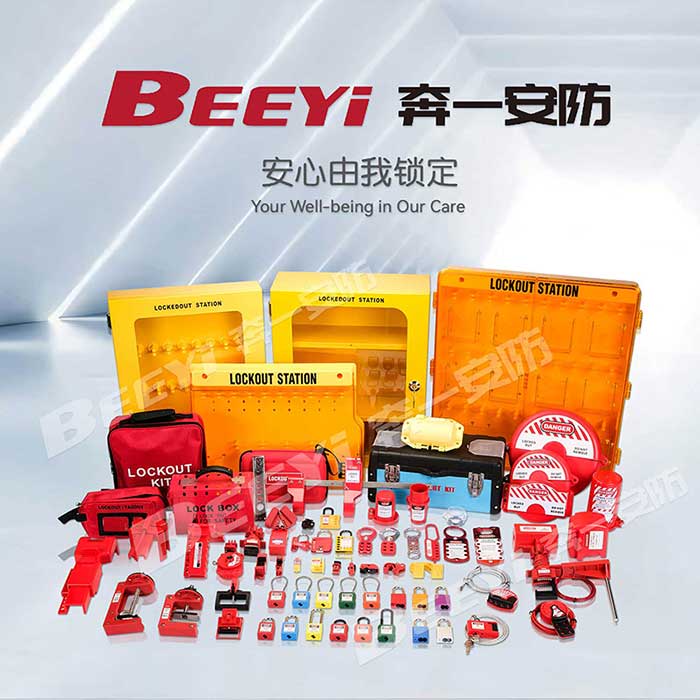
The Design and Features of Safety Padlocks Safety padlocks are specifically designed to enhance safety measures in various industrial settings. They are distinct from traditional padlocks, featuring several characteristics that cater to safety protocols. Often constructed from durable materials such as engineering plastics or corrosion-resistant metals, safety padlocks are built to withstand demanding environments. Their robust construction enables them to endure high humidity, extreme temperatures, and chemical exposure, making them ideal for a variety of applications. Additionally, safety padlocks come with a color-coded system that allows for easy identification. Different colors or markings signify various functions, tasks, or employees, minimizing the risk of accidental unlocking. They also typically feature a unique keying system, where multiple locks may operate from a single master key, or be configured such that each lock operates from its distinct key. This complexity adds an additional layer of security, ensuring that only authorized personnel can access locked equipment.
Leave a Reply