In today’s world, efficient fluid management is more critical than ever, particularly in agricultural, industrial, and domestic watering systems. One key component that plays a significant role in this fluid management is the Plastic Water Flow Control Valve. These valves are designed to regulate the flow of liquids in various applications, ensuring that systems operate efficiently and effectively. This article delves into the functionality, advantages, applications, and considerations surrounding Plastic Water Flow Control Valves.
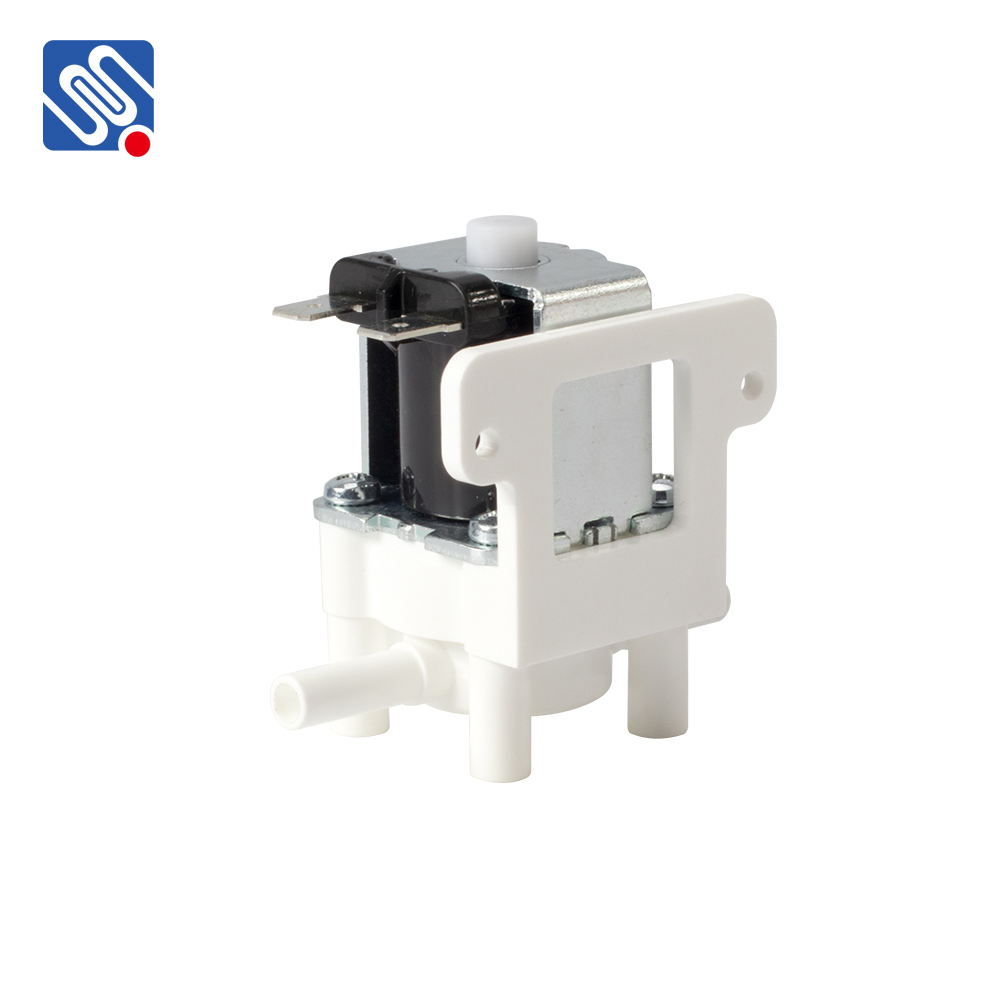
Functionality of Plastic Water Flow Control Valves At its core, a Plastic Water Flow Control Valve regulates the flow rate of water or other liquids within a pipe or system. The operation is fairly straightforward: the valve can be opened or closed to allow or restrict the passage of fluid. Depending on the type of valve, the flow can be precisely adjusted, making it possible to control water supply based on specific requirements. Plastic water flow control valves come in various designs, including gate, globe, ball, and diaphragm valves. Each type functions differently but ultimately serves the same purpose of controlling fluid flow. For example, ball valves use a rotating ball with a hole in the middle to allow or stop flow, offering quick operation and excellent sealing. Globe valves, on the other hand, have a more complex design that provides better flow regulation through gradual opening and closing.