In industries that deal with heavy machinery, complex systems, or hazardous materials, ensuring the safety of workers during maintenance, repair, or servicing operations is paramount. Lockout/Tagout (LOTO) procedures are a crucial part of workplace safety protocols, and one key tool used in this process is the Lockout Hasps application. Lockout Hasps play an essential role in preventing the accidental release of hazardous energy and ensuring that machinery cannot be unintentionally started while employees are working on it.
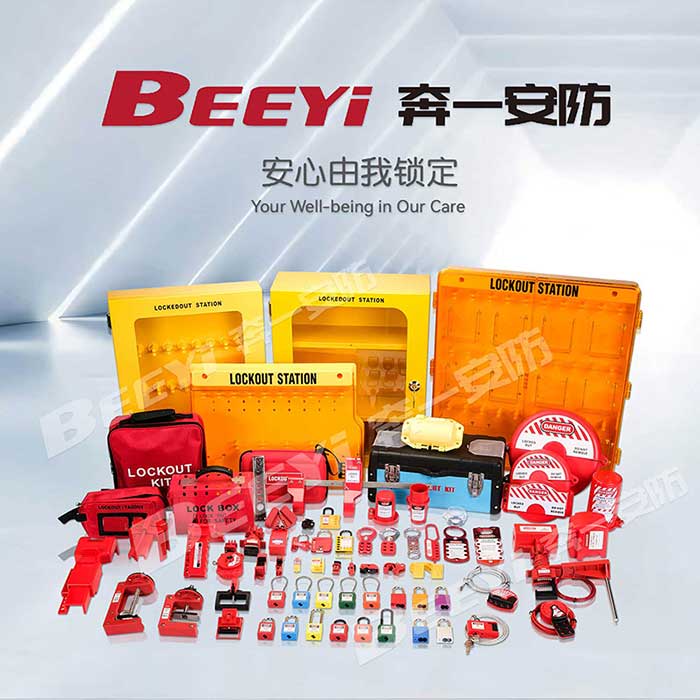
What are Lockout Hasps? Lockout Hasps are devices designed to secure a machine or system’s energy-isolating switch in a safe state during maintenance or repair. These hasps are typically made of durable materials such as steel or plastic and have multiple slots for attaching padlocks. The key feature of Lockout Hasps is that they allow multiple workers to lock out a single energy source at the same time, ensuring that each worker is protected while performing their tasks. These devices are used in a wide range of industries, from manufacturing and construction to chemical processing and energy production. The application of Lockout Hasps is particularly crucial in environments where there is a risk of equipment being powered on unexpectedly, leading to serious accidents or injuries.