Lock out padlocks play a crucial role in maintaining workplace safety, particularly in industrial and electrical environments. These specialized padlocks are designed to be used within the Lockout/Tagout (LOTO) system, a standardized safety procedure aimed at preventing accidental machine startup or release of hazardous energy during maintenance or repair work. By ensuring that energy-isolating devices remain securely locked, lock out padlocks provide a physical barrier that protects workers from serious injuries and fatalities.
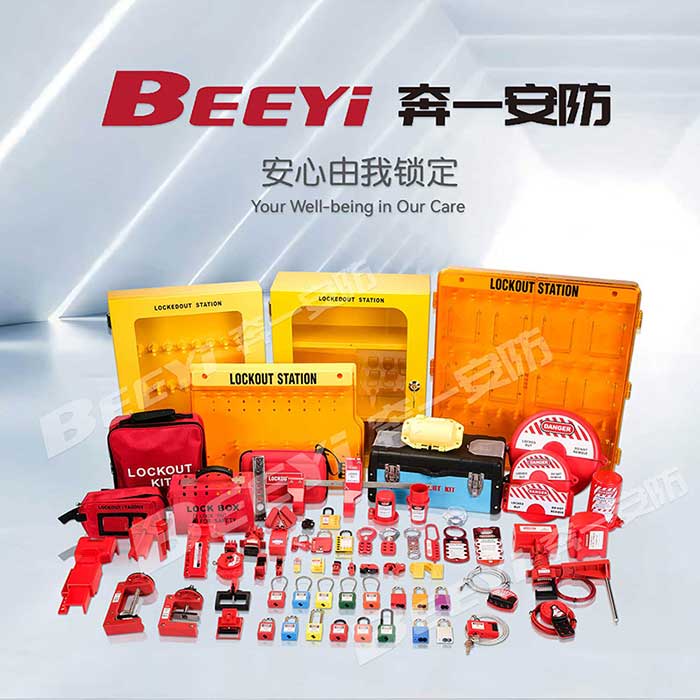
One of the defining features of lock out padlocks is their material construction. Unlike regular padlocks, they are often made from non-conductive materials such as reinforced nylon or thermoplastic. This characteristic is particularly important in electrical environments, as it minimizes the risk of electric shock when handling energized equipment. For non-electrical applications, more durable materials like stainless steel or aluminum are commonly used, offering enhanced resistance against mechanical damage, corrosion, or extreme environmental conditions. The choice of material is therefore critical, as it directly affects both safety and longevity.