As the world shifts focus towards sustainable energy solutions, hydrogen energy has emerged as a promising alternative due to its potential to significantly reduce greenhouse gas emissions. Among the critical components in hydrogen systems, the Hydrogen Energy Electric Single Seat Regulating Valve plays a pivotal role in managing the flow of hydrogen gas, ensuring safe, efficient, and precise operation across various applications. This article explores the importance, functionality, applications, and considerations when selecting these specialized valves.
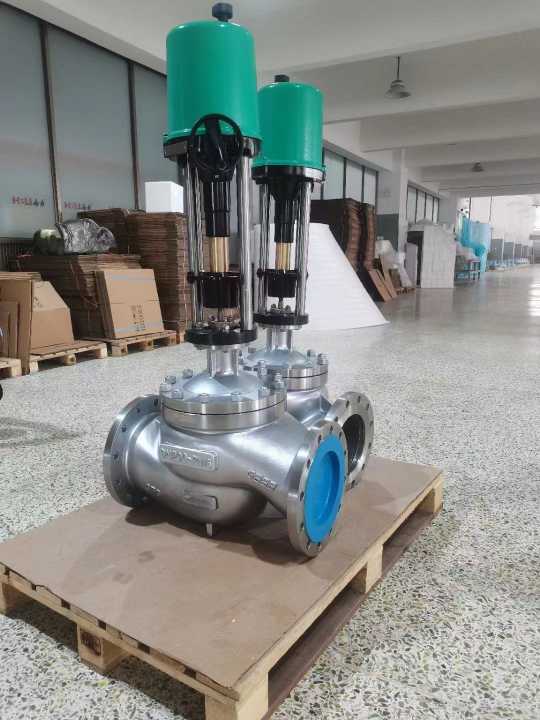
Understanding Hydrogen Energy Electric Single Seat Regulating Valves A Hydrogen Energy Electric Single Seat Regulating Valve is designed to control the flow of hydrogen gas within systems that rely on this clean energy source. The term “single seat” refers to the valve’s design, where the fluid flows through a single opening formed between a valve seat and the valve plug. This design offers a straightforward yet highly effective method for adjusting the flow of gases, making it particularly suitable for hydrogen applications, where precision is crucial. The electric actuation mechanism of these valves allows for precise control and regulation, as opposed to traditional pneumatic or hydraulic systems. Being electrically actuated, these valves can integrate with advanced control systems, enabling automated operation, remote monitoring, and data collection, which are vital in modern hydrogen production and distribution systems.