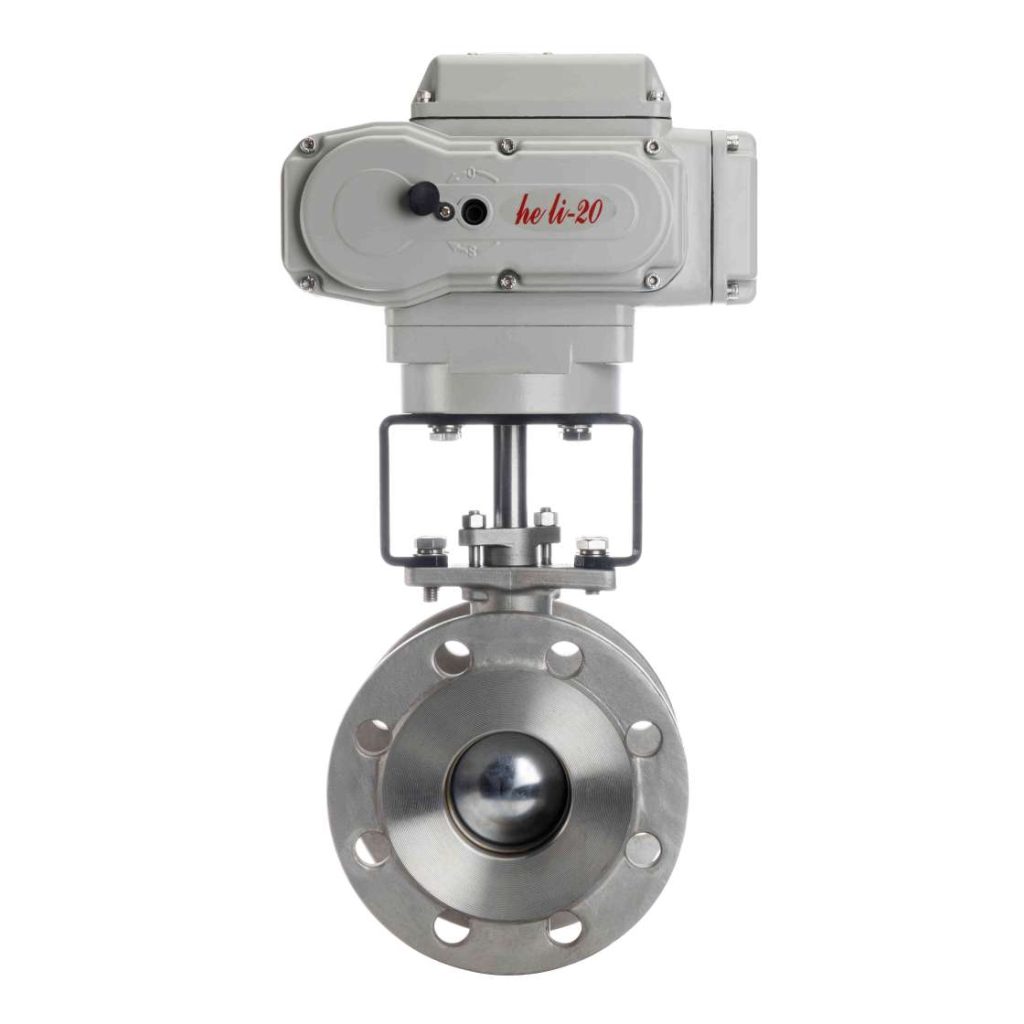
The electric V-ball valve, a versatile and efficient component in fluid control systems, has become increasingly important across various industries. This advanced valve technology offers precise flow regulation, which is essential in systems that require accuracy and reliability. In this article, we explore the benefits, applications, and working principles of the electric V-ball valve, shedding light on why it is gaining popularity in the world of automation and industrial control.
Understanding the Electric V-Ball Valve
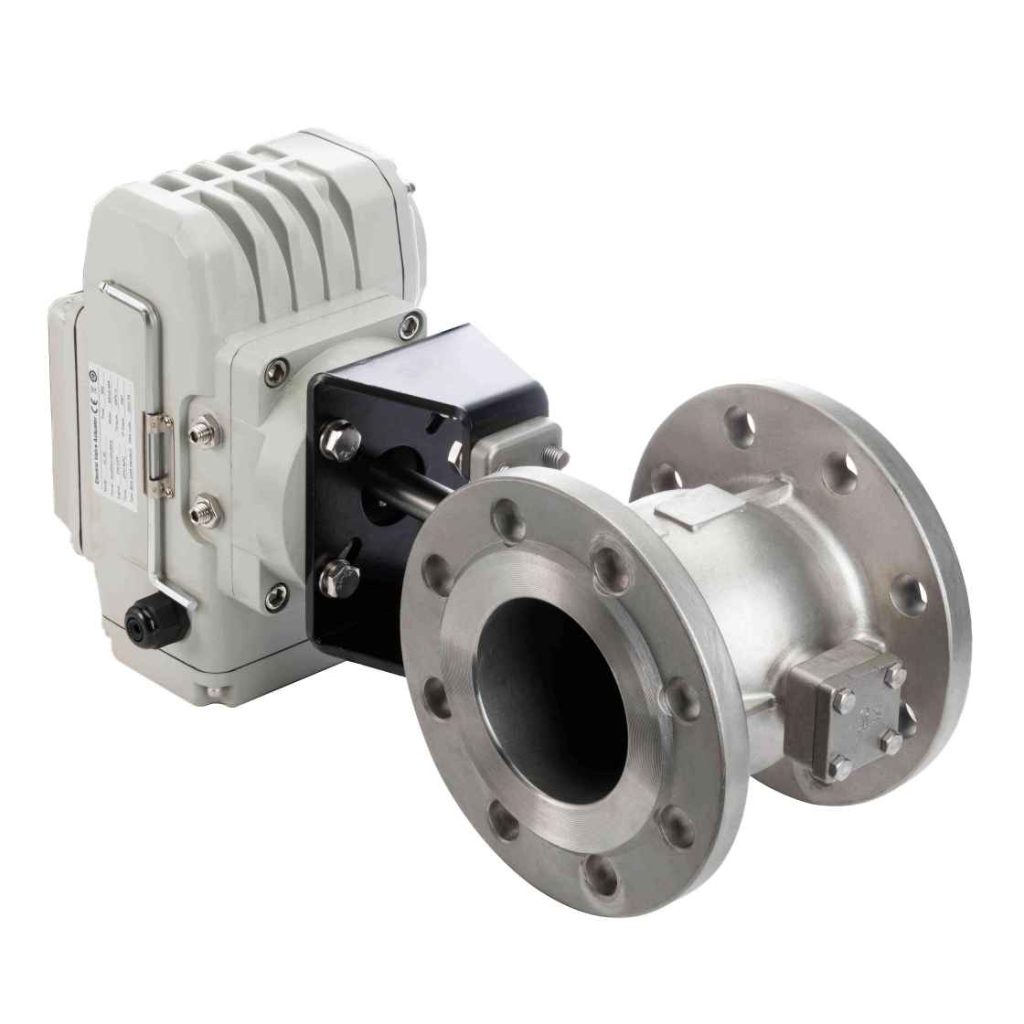
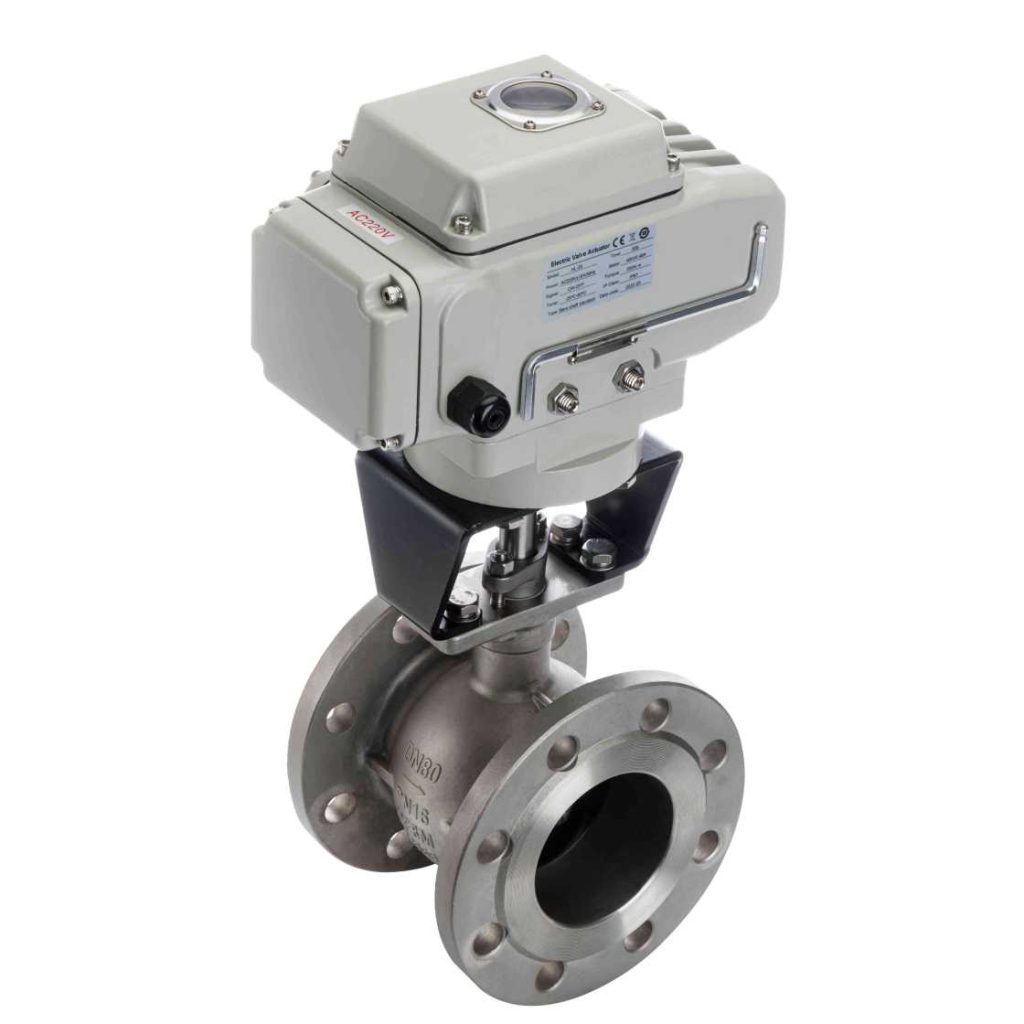
An electric V-ball valve is a type of valve that combines the functionalities of a ball valve with an electric actuator. It is called “V-ball” because the ball inside the valve has a V-shaped notch, which allows for finer control of the flow. This valve is typically used in applications where precise flow regulation, shut-off, and throttling capabilities are required. The electric actuator attached to the valve provides the means to operate the valve automatically, allowing for remote control and integration into automated systems. This setup makes it an ideal choice for industries where human intervention is minimized, and efficiency is maximized. Electric V-ball valves are commonly used in the chemical, oil and gas, water treatment, HVAC, and food processing industries.