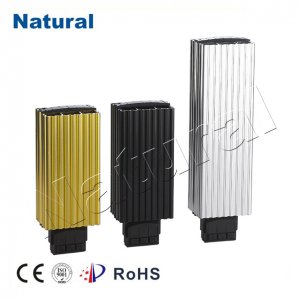
Aluminum heaters have gained significant popularity in various heating applications, from residential heating solutions to industrial uses. Known for their excellent thermal conductivity and lightweight properties, aluminum heaters are being increasingly favored for their efficiency and durability. This article delves into the characteristics, applications, benefits, and potential drawbacks of aluminum heaters, shedding light on why they are becoming a preferred choice in the heating industry.
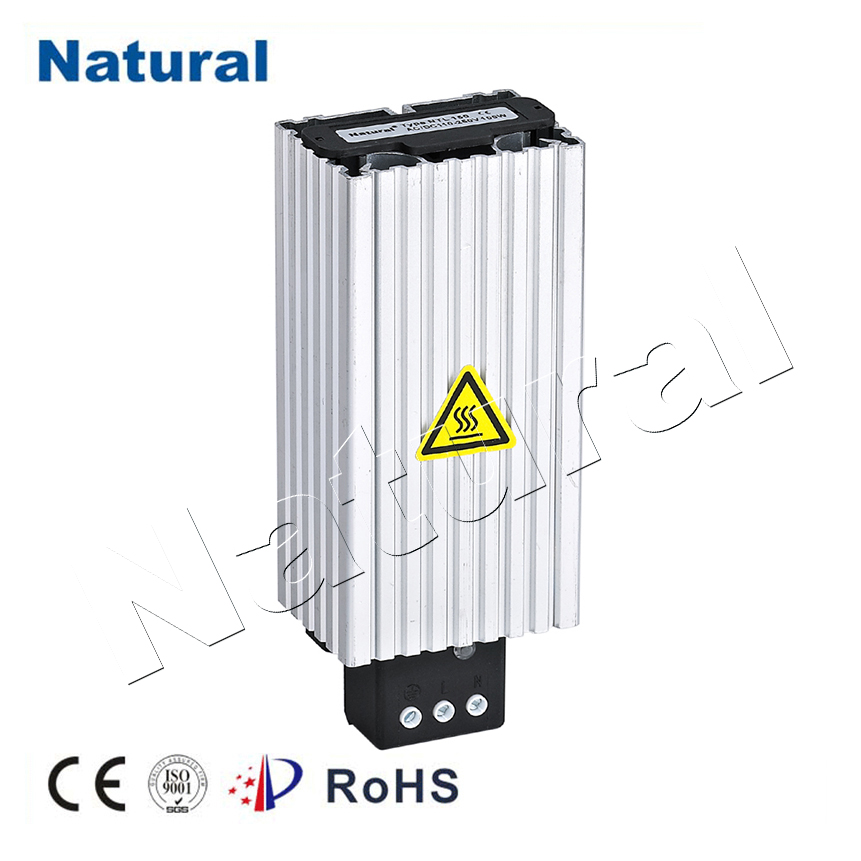
Understanding Aluminum Heaters
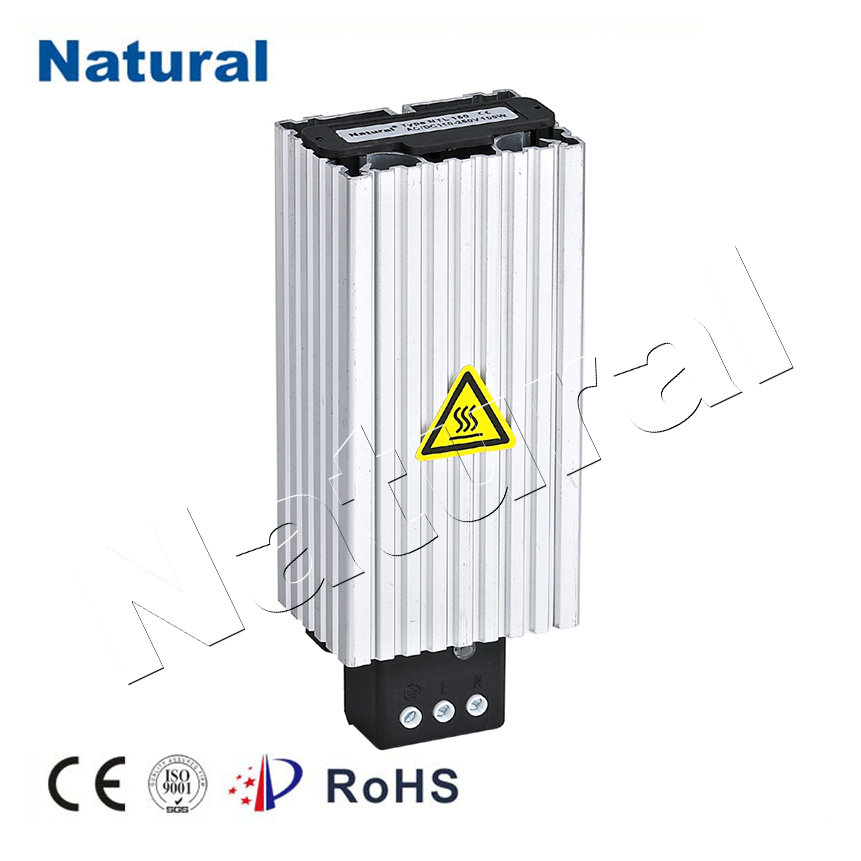
Aluminum heaters, whether used as heat exchangers, radiators, or heating elements, leverage the impressive thermal properties of aluminum to provide fast and efficient heat transfer. Aluminum’s high thermal conductivity allows it to absorb and distribute heat quickly, making it ideal for environments where rapid temperature regulation is necessary. Additionally, aluminum is lightweight compared to other metals like steel, making it easier to handle and install in various heating systems. Key Advantages of Aluminum Heaters 1. Efficient Heat Transfer One of the primary reasons aluminum heaters are in high demand is their remarkable ability to transfer heat. Aluminum is an excellent conductor of heat, meaning that it can quickly absorb and distribute warmth across a large surface area. This efficiency results in faster heating times, making aluminum heaters highly effective for both residential and commercial applications. Whether in space heaters, industrial heat exchangers, or automotive heating systems, the thermal efficiency of aluminum ensures that energy is used optimally.