In today’s rapidly evolving world of technology and automation, the integration of smart devices has become an indispensable part of our daily lives. Among these devices, the DIN rail thermostat stands out as a versatile and efficient tool for maintaining optimal temperatures in various environments. In this article, we will delve into the features and benefits of DIN rail thermostats, exploring their applications and contributions to modern living.
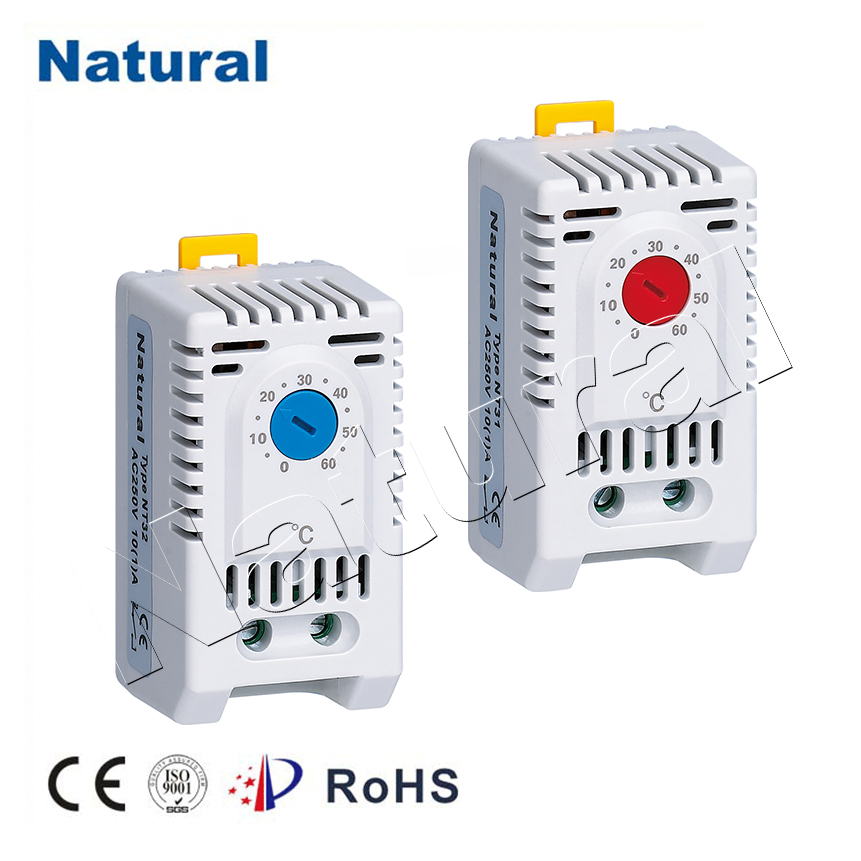
A Brief Introduction to DIN Rail Thermostats DIN rail thermostats are innovative temperature control solutions designed to be mounted on a DIN rail within an electrical enclosure. This setup makes them suitable for a wide range of applications, from industrial processes to residential heating and cooling systems. The compact design and modular nature of DIN rail thermostats make them easy to install and integrate into existing systems, making temperature management more efficient and hassle-free. Efficiency in Industrial Settings In industrial environments where precise temperature control is crucial, DIN rail thermostats shine. They offer accurate and consistent temperature regulation, ensuring that critical processes are maintained within specified parameters. For instance, in manufacturing plants, these thermostats can help regulate the temperature of machinery to prevent overheating, thereby extending equipment lifespan and reducing maintenance costs. Smart Energy Management at Home Beyond industrial applications, DIN rail thermostats have found their way into residential settings, revolutionizing the way we manage energy consumption. With their programmable features and compatibility with smart home systems, users can create customized heating and cooling schedules that align with their daily routines. This level of control not only enhances comfort but also leads to substantial energy savings by preventing unnecessary heating or cooling. Integration into Building Automation Systems One of the most notable advantages of DIN rail thermostats is their seamless integration into larger building automation systems. By connecting to central control units, these thermostats become part of a cohesive network that can monitor and adjust temperature settings across different zones in a building. This integration improves energy efficiency on a larger scale, as the system can make real-time decisions based on occupancy, external weather conditions, and time of day. Flexibility and Adaptability DIN rail thermostats come in a variety of models, catering to different requirements. Some are designed for specific applications, such as freeze protection or ventilation control, while others offer more general temperature management capabilities. This flexibility ensures that there is a suitable thermostat for every scenario, whether it’s a small residential space or a complex industrial facility. Installation and Maintenance The installation of DIN rail thermostats is straightforward due to their standardized DIN rail mounting. This feature reduces installation time and minimizes disruptions to ongoing operations. Additionally, maintenance is simplified as well, with easy access to the thermostat for troubleshooting or replacement. Conclusion The advent of DIN rail thermostats has transformed temperature control into a more efficient, precise, and customizable process. Their applications span across industries, from optimizing industrial processes to enhancing energy management in homes and buildings. With their integration capabilities, flexibility, and user-friendly features, DIN rail thermostats have undoubtedly become an essential component of modern automation and comfort. In a world where energy efficiency and precise control are paramount, DIN rail thermostats stand as a testament to human innovation, making our lives more comfortable and environmentally conscious than ever before.